
Lake Katwe: Uganda’s Historic Salt Lake in Queen Elizabeth
When travelers think of Uganda, they often imagine mountain gorillas in mist-covered forests, elephants roaming across savannah plains, spectacular waterfalls, and boat cruises along wildlife-rich waterways; Yet beyond these famous attractions lies another remarkable destination that offers a different perspective on Uganda’s natural heritage and cultural traditions: Lake Katwe, one of the country’s most fascinating salt-producing crater lakes.
Located in southwestern Uganda in Kasese District, near Queen Elizabeth National Park, Lake Katwe is renowned for its highly saline waters and traditional salt-mining industry; For generations, local communities have depended on this unique lake for their livelihoods, harvesting salt using traditional methods that have shaped the area’s economy, history, and identity.
A visit to Lake Katwe offers more than beautiful scenery. It introduces travelers to the relationship between people and their environment, the importance of traditional industries, and the cultural experiences that make Uganda such a rewarding destination to explore.
At Arcadia Safaris, we believe that an unforgettable Uganda safari extends beyond wildlife viewing. It also involves discovering local communities, understanding regional traditions, and exploring destinations that reveal the country’s rich natural and cultural diversity.
Whether you are planning a Uganda wildlife safari, a cultural tour, or a broader East African adventure, Lake Katwe deserves consideration as an enriching stop on your itinerary.
Where Is Lake Katwe Located in Uganda?
Lake Katwe is located in Kasese District in western Uganda, close to Queen Elizabeth National Park and the town of Katwe-Kabatooro. It lies within the Katwe-Kikorongo volcanic landscape, an area characterized by distinctive crater formations, saline lakes, and dramatic natural scenery.
The lake occupies a volcanic crater and is known for its high concentration of dissolved salts. Because water entering the lake has no substantial surface outlet, evaporation allows dissolved minerals to accumulate over time, creating conditions that support traditional salt production.
Its location makes Lake Katwe an interesting addition to a safari in Queen Elizabeth National Park, one of Uganda’s best-known wildlife destinations; Visitors exploring this part of the country can combine a Lake Katwe salt-mining excursion with selected experiences in and around Queen Elizabeth National Park, depending on their travel schedule and accommodation location.
The Fascinating History of Lake Katwe Salt Mining
Lake Katwe has long been associated with salt production and regional trade. Salt was historically a valuable commodity in many parts of East Africa, serving household needs and supporting exchange between communities over considerable distances. The lake’s natural saline conditions made it an important resource for people living in the surrounding region. Over generations, local workers developed practical methods of collecting and processing salt from the lake and its associated salt pans.
Today, traditional salt mining remains an important part of Katwe’s identity. Rather than being simply a geological attraction, Lake Katwe is a working landscape where visitors can learn how natural resources, traditional knowledge, and local livelihoods intersect.
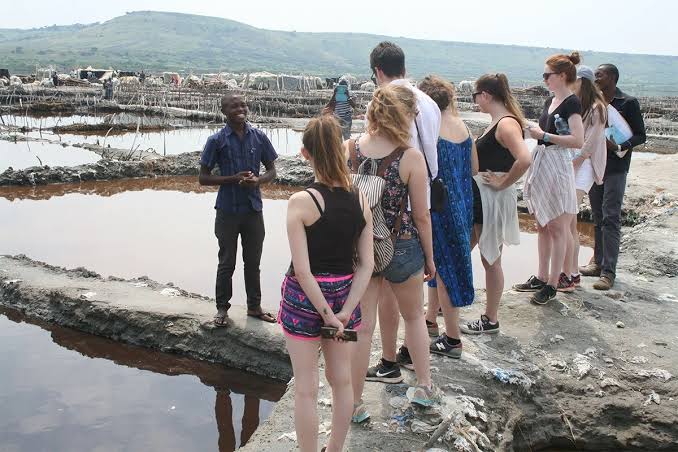
During a guided visit, local guides can explain the history of salt extraction, the organization of the working pans, and the different methods used to obtain salt; For travelers interested in cultural tourism in Uganda, these stories add depth to the experience and provide a better understanding of life in western Uganda.
What Makes Lake Katwe Special?
Lake Katwe is a volcanic crater lake located in the Katwe-Kikorongo explosion crater field within Queen Elizabeth National Park, near the northern shores of Lake Edward in Kasese District. Formed by ancient volcanic activity, the lake has no major outlet. Streams feed it, but intense equatorial evaporation concentrates minerals, creating a hypersaline environment with salt levels around 13.5%. The lakebed holds an estimated 12–22 million tons of salt deposits, making it one of Uganda’s most important natural salt reserves.
Unlike the lush freshwater lakes that attract hippos and crocodiles, Lake Katwe’s extreme salinity means little aquatic life survives in its waters; Instead, the surrounding crater landscape, dry grasslands, and nearby wetlands support birds (including occasional flamingos at neighboring sites) and provide a striking contrast to the park’s savannah and channel ecosystems.
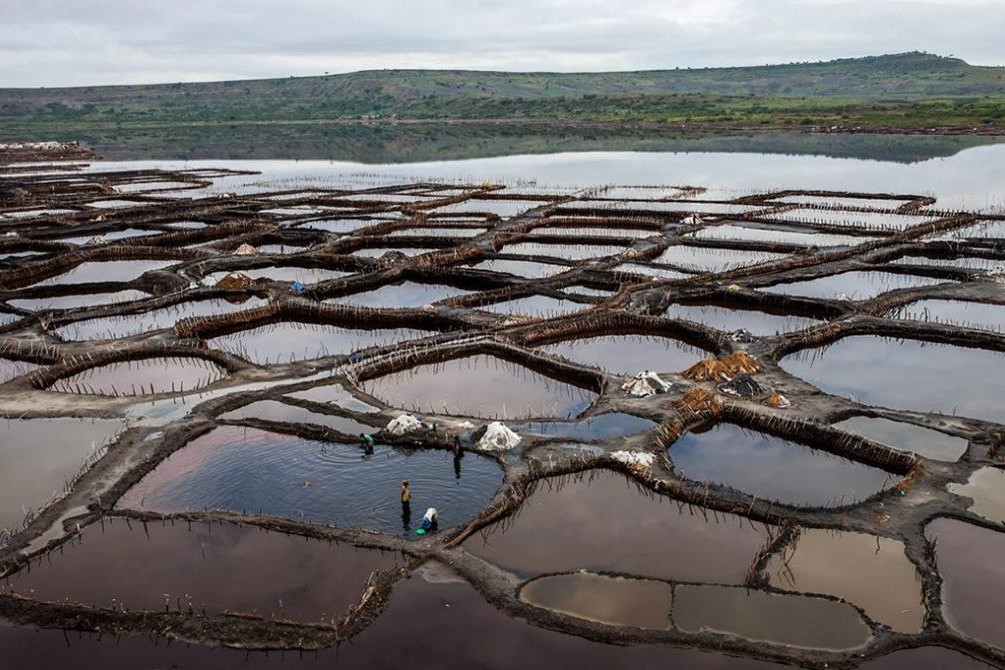
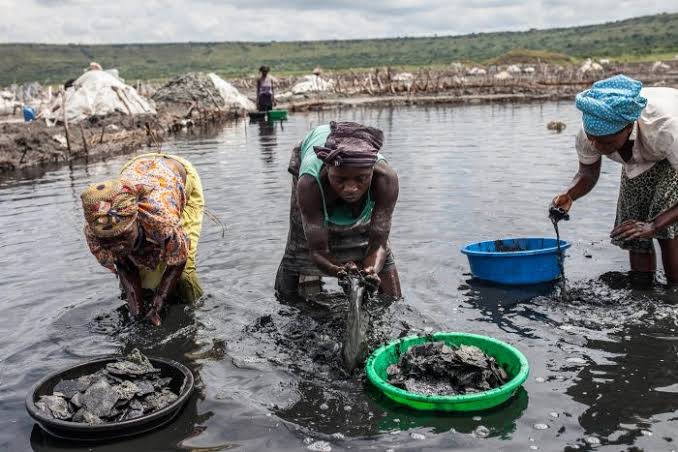
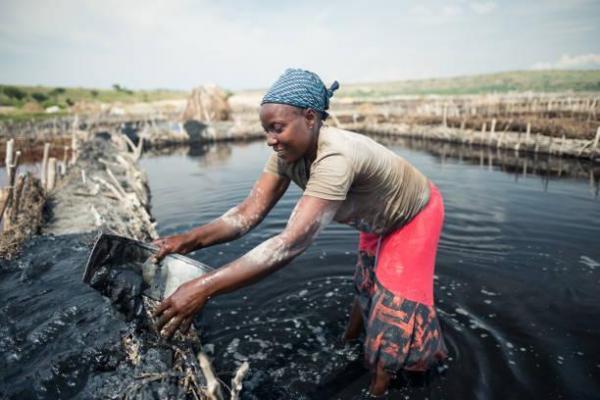
The real draw is the traditional salt mining industry. For over 500–600 years—possibly longer—local families have extracted salt using methods passed down through generations. Workers maintain thousands of shallow evaporation pans around the lake’s edges. Brine is channeled into these pans, left under the hot sun to evaporate, and the resulting crystals are harvested by hand; Different grades are produced: cleaner salt suitable for human consumption after processing, rock salt, and mineral-rich mud used as livestock salt licks.
This labor-intensive process supports hundreds of local miners and their families. Salt from Katwe once played a major role in regional trade across East Africa and Central Africa. While modern commercial sources have reduced its dominance, the industry remains a vital livelihood and a powerful example of sustainable, community-based resource use.
How Is Salt Extracted at Lake Katwe?
One of the most interesting aspects of visiting Lake Katwe is observing the traditional methods used to harvest salt. The lake’s saline water and mineral-rich deposits provide the raw materials for salt production. Workers use different techniques depending on the type of salt being collected and the particular working area.
1. Traditional salt pans
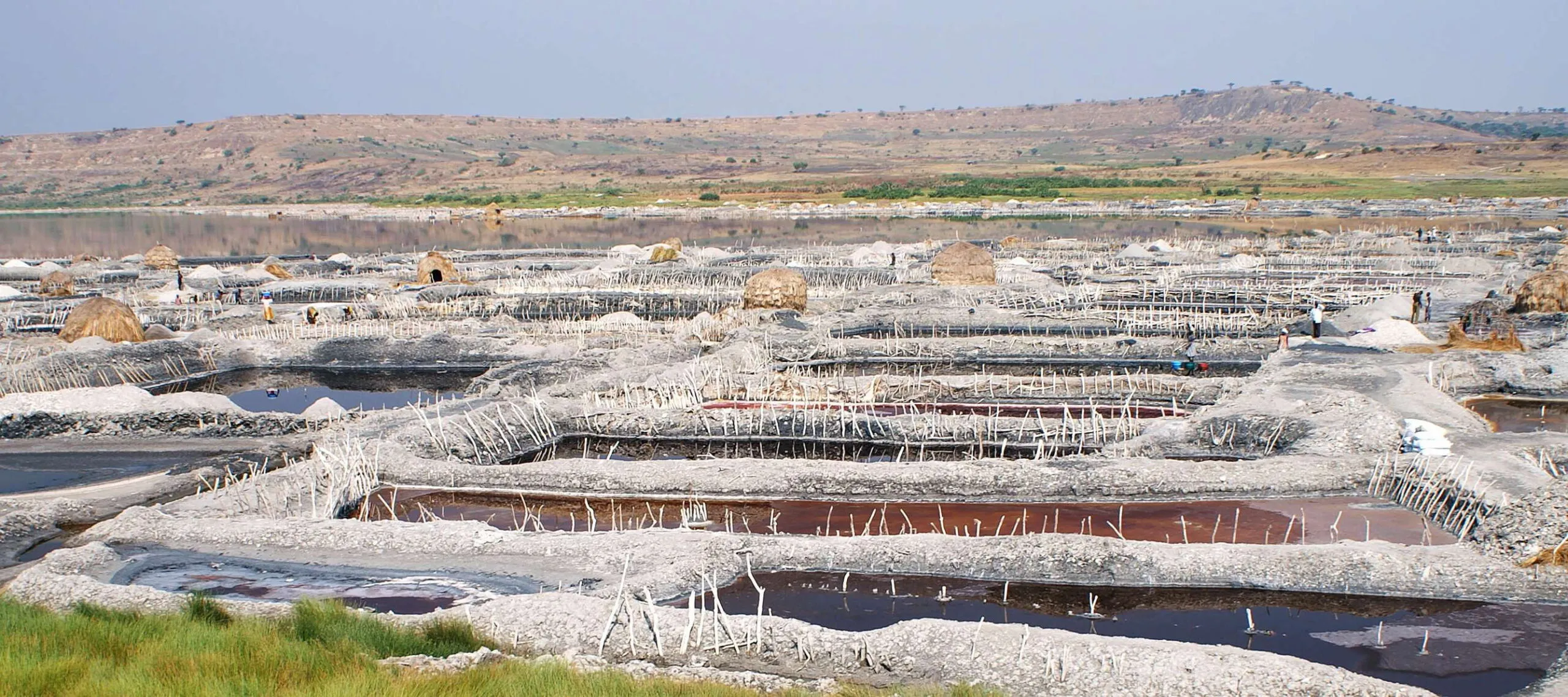
Some salt is produced in shallow, divided pans where saline water is left to evaporate under the sun; As water disappears, salt crystals form and can be collected by workers; The arrangement of these pans creates a distinctive landscape of rectangular sections separated by narrow embankments. From suitable viewpoints, the patterns of the pans provide an impressive visual introduction to Lake Katwe’s salt industry.
2. Rock salt extraction
Another traditional activity involves recovering rock salt from the lake bed in shallow areas; This work is physically demanding and can expose workers to concentrated brine for extended periods. It requires considerable effort and practical knowledge of the working environment. Visitors should observe these activities from safe locations and follow the instructions of local guides.
3. Sorting and grading salt
After extraction, salt is separated according to its characteristics and intended use. Different grades may serve different purposes, including household consumption, livestock salt licks, and other uses. Travelers should ask local guides to explain the products being harvested rather than assuming that all salt from the lake is intended for the same purpose; Seeing these processes firsthand helps visitors understand how a natural resource becomes an economic product.
Important: Lake Katwe’s salt-mining environment can be harsh. Travelers should not enter the brine or attempt to participate in extraction without appropriate authorization and professional guidance.
What Makes Lake Katwe Unique?
Lake Katwe stands out because it brings together geology, traditional industry, cultural heritage, and tourism in one remarkable destination.
A saline volcanic crater lake
Unlike many freshwater lakes in Uganda, Lake Katwe has highly saline water. Its distinctive conditions are closely connected to the volcanic landscape of the Katwe-Kikorongo region and the accumulation of dissolved minerals through evaporation; This makes it an interesting destination for travelers curious about Uganda’s geology and natural history.
A living traditional industry
Salt production at Lake Katwe is not simply a historical display. It is an ongoing economic activity that supports local livelihoods; A guided visit gives travelers an opportunity to learn about the skills, labor, and local knowledge associated with traditional salt extraction.
A distinctive landscape for photography
The salt pans, exposed lake bed, mineral deposits, and surrounding crater landscape create a setting unlike the typical savannah scenery associated with an African wildlife safari; Photography can be rewarding, particularly when the light highlights the geometric patterns of the salt pans; However, visitors should always ask permission before photographing individual workers, respect refusals, and avoid intrusive photography.
An opportunity for community-based tourism
Lake Katwe offers an opportunity to include locally guided cultural experiences in a Uganda itinerary; Using local guides, agreeing on fees in advance, and purchasing locally produced items where appropriate can help direct tourism spending toward the community. A responsible visit should recognize that salt miners are people at work, not simply subjects for photographs.
Things to Do at Lake Katwe, Uganda
Travelers visiting Lake Katwe can enjoy several activities that reveal different aspects of the destination.
1. Take a guided Lake Katwe salt-mining tour
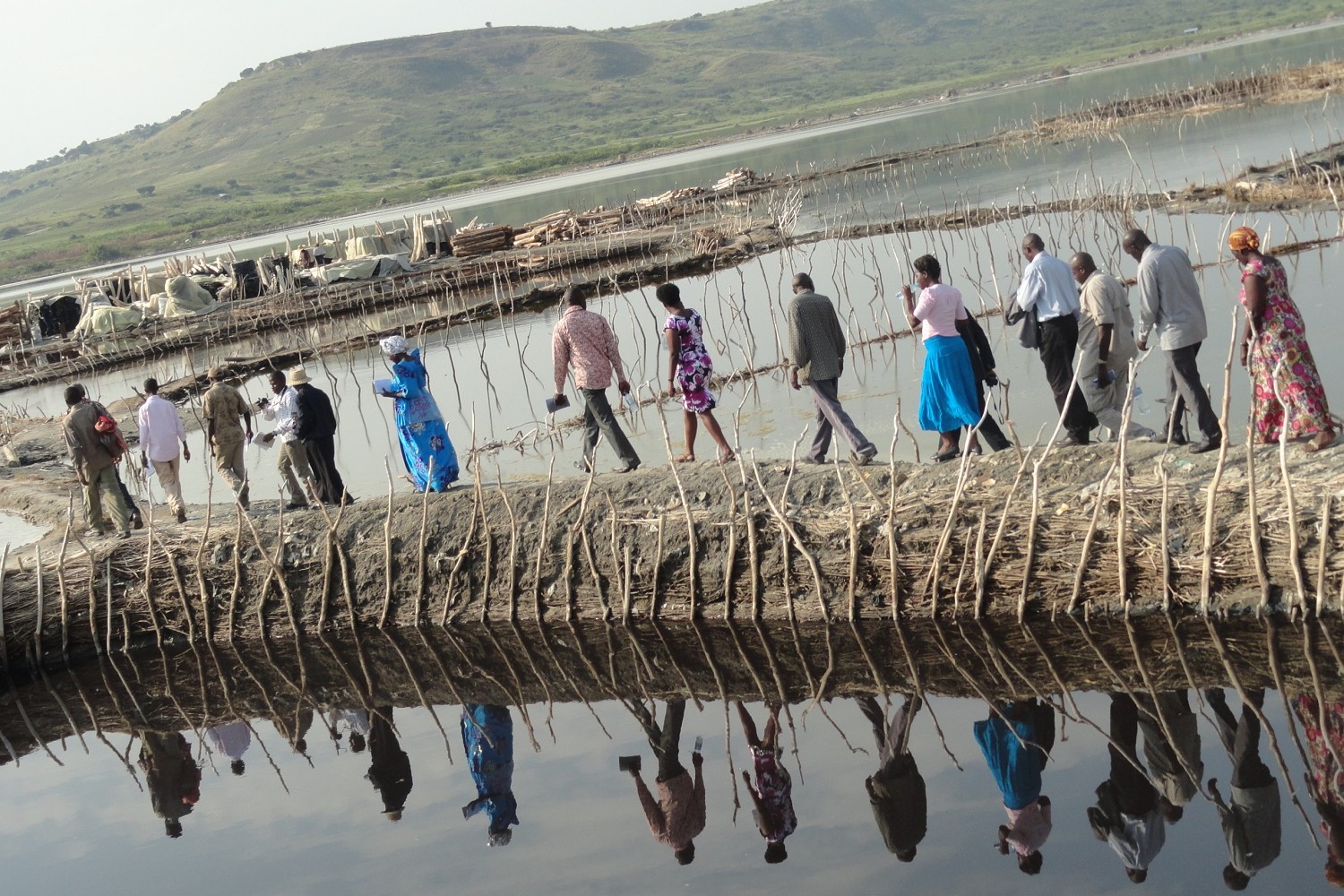
A guided salt-mining tour is the main reason many travelers visit Lake Katwe. Local guides can explain the lake’s history, demonstrate how salt is harvested, describe the different grades of salt, and discuss the importance of the industry to the surrounding community. The experience is particularly rewarding for travelers who enjoy cultural tourism, local history, and authentic encounters beyond conventional sightseeing.
2. Learn about local livelihoods and traditions
A visit provides an opportunity to understand the challenges and opportunities associated with salt production. Travelers can ask questions about the working methods, the local economy, and how knowledge of the industry is passed between generations. Approaching these conversations respectfully can make the experience more meaningful for both visitors and residents.
3. Photograph the salt pans and crater landscape
The salt pans form striking geometric patterns across the lake’s working areas. Depending on the weather and lighting conditions, visitors may capture photographs of the pans, the surrounding landscape, and the different stages of salt production; Early morning or late afternoon can offer more comfortable conditions for walking and photography, although the ideal timing depends on local activities and the day’s weather. Always ask before taking photographs of people.
4. Explore the surrounding crater-lake region
Lake Katwe is part of a broader landscape of volcanic craters and lakes associated with the Katwe-Kikorongo area. Depending on the route and available time, travelers may explore other suitable viewpoints and natural attractions in the region. Nearby Lake Munyanyange is also of interest to birdwatchers, particularly when seasonal conditions attract flamingos and other waterbirds. Sightings vary, so visitors should not assume that particular species will always be present.
5. Discover the cultural side of a Uganda safari
Lake Katwe demonstrates why a safari in Uganda can be about much more than seeing animals; By combining a visit to the salt works with wildlife viewing, scenic drives, and selected community experiences, travelers can gain a broader understanding of the country’s landscapes and people. This approach is especially suitable for visitors who want a well-rounded holiday that combines nature, culture, and local experiences.
Why Visit Lake Katwe and Queen Elizabeth National Park
Queen Elizabeth National Park is one of Uganda’s leading wildlife destinations, known for its diverse habitats, savannah wildlife, crater landscapes, and the famous Kazinga Channel; For many international visitors, a safari in Queen Elizabeth National Park is an opportunity to encounter African wildlife while exploring the scenery of western Uganda. Lake Katwe adds a cultural and historical dimension to this experience.
Wildlife game drives
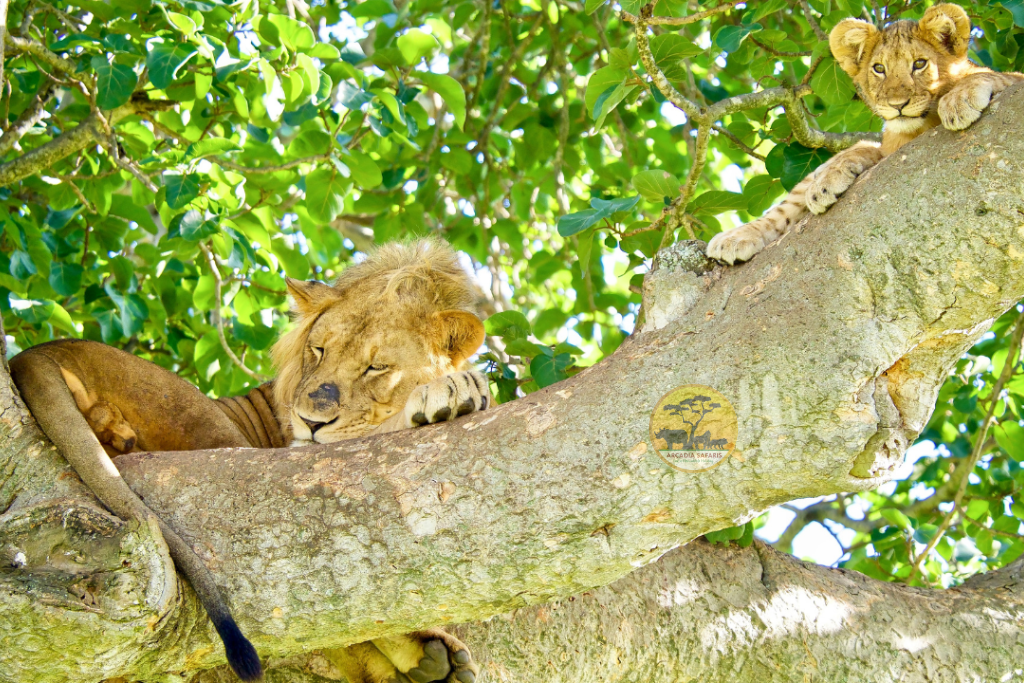
Game drives offer opportunities to search for elephants, buffaloes, antelopes, lions, and other wildlife in suitable areas of the park. Wildlife sightings depend on the season, location, and animal movements.
Kazinga Channel boat cruise
A boat cruise along the Kazinga Channel is one of the park’s signature experiences. Visitors may observe hippos, buffaloes, elephants, and a wide variety of birds along the water’s edge.
Birdwatching – Birding
Queen Elizabeth National Park is an ideal destination for birding and its surrounding habitats support diverse birdlife. Birdwatchers can explore suitable locations with a knowledgeable guide, taking seasonal conditions and target species into account.
Lake Katwe cultural excursion
After experiencing the park’s wildlife, a visit to Lake Katwe introduces travelers to traditional salt production and local community life; Together, these activities can create a varied itinerary combining wildlife, landscapes, and cultural heritage.
Travelers should plan the order of activities according to their accommodation, driving distances, park arrangements, and available time.
Best Time to Visit Lake Katwe
Lake Katwe can be visited throughout the year, but weather conditions influence comfort, accessibility, and the appearance of the salt-working areas.
Dry seasons
The generally drier periods, often around June to August and December to February, can be convenient for travelers exploring western Uganda; Drier conditions may make walking around the salt pans easier, although temperatures can be high and the exposed working areas offer limited shade.
Rainy seasons
During wetter periods, the surrounding landscape may become greener, but rain can make narrow paths and earthen embankments slippery. Road and walking conditions can vary, so it is advisable to check local conditions before traveling.
What time of day is best?
Early morning or late afternoon may be more comfortable than the hottest part of the day; For the best experience, arrange the visit with a local guide or your safari operator and allow sufficient time to explore without rushing.
How to Get to Lake Katwe
From Queen Elizabeth National Park: Visitors staying around the Mweya area can plan a Lake Katwe excursion as part of their exploration of the park’s northern and western surroundings; The precise driving time depends on the starting point, road conditions, and the route selected.
From Kasese: Lake Katwe can also be incorporated into a trip from Kasese town. Travelers should allow sufficient time for the journey, the guided visit, and any additional activities.
From Kampala or Entebbe: For visitors beginning their Uganda holiday in Kampala or arriving through Entebbe International Airport, Lake Katwe is best considered as part of a broader western Uganda itinerary.
A well-planned journey can combine the destination with Queen Elizabeth National Park and other attractions in the region rather than treating the lake as an isolated stop.
At Arcadia Safaris, we can help travelers plan private or customized Uganda safari itineraries according to their interests, available time, accommodation preferences, and budget.

What to Pack for a Lake Katwe Visit
Because the salt pans are exposed and can be slippery, practical preparation is important; Consider bringing (pack) the following essentials.
- Comfortable closed shoes with good grip.
- A wide-brimmed hat and sunscreen.
- Drinking water.
- A camera or smartphone.
- Lightweight, breathable clothing.
- Binoculars if you are also interested in birdwatching.
Avoid entering the salt water, particularly if you have cuts or broken skin. Follow your guide’s safety instructions and remain on suitable walking routes. Visitors should also carry their belongings carefully and avoid disturbing workers or interfering with the salt-production process.
Responsible Tourism at Lake Katwe
Responsible tourism is essential when visiting a working community such as Lake Katwe. The destination’s appeal lies partly in its traditional industry and the people whose livelihoods depend on it; Visitors should approach the experience with curiosity, sensitivity, and respect. Here are a few ways to make your visit more responsible:
Choose local guiding where possible. A knowledgeable community guide can explain the industry accurately and help visitors understand the area’s history and traditions.
Ask before taking photographs. Workers have the right to decline photography. Respect their wishes and avoid intrusive images.
Follow safety guidance. Do not enter the brine or step onto unstable areas simply to obtain a photograph.
Agree on fees in advance. Clarify the guiding arrangements and any applicable charges before beginning the visit.
Support local businesses. Where appropriate, consider purchasing locally produced salt or other items directly from sellers.
Treat the working environment with respect. Remember that the salt pans are places of employment, not staged attractions.
At Arcadia Safaris, we believe thoughtful travel should help visitors understand destinations while respecting local people, their livelihoods, and their environment.

Why Visit Lake Katwe with Arcadia Safaris
Planning a safari in Uganda offers an opportunity to experience an extraordinary range of landscapes, wildlife, and cultures; From gorilla trekking in Bwindi Impenetrable National Park to chimpanzee tracking, wildlife game drives, birdwatching, and cultural excursions, Uganda offers experiences for travelers with different interests and budgets.
Lake Katwe is a particularly interesting addition for visitors who want to explore the cultural and economic heritage of western Uganda alongside the country’s famous wildlife destinations.
Arcadia Safaris specializes in tailor-made safari holidays across Uganda, Rwanda, Kenya, and Tanzania. We work with travelers to develop itineraries that reflect their interests, travel dates, preferred accommodation standards, and budgets.
Depending on your plans, we can help you explore options for:
- Uganda wildlife safaris in Queen Elizabeth National Park.
- Private Uganda safaris and customized tours.
- Cultural experiences and community visits.
- Birdwatching holidays.
- Gorilla trekking and chimpanzee tracking itineraries.
- Multi-destination East African safari holidays.
Whether you are planning a short wildlife getaway or an extended East African adventure, our team can help you explore the most suitable options for your journey.
Would you like to discover the traditional salt mines of Lake Katwe, explore the wildlife of Queen Elizabeth National Park, and experience more of Uganda’s remarkable natural and cultural heritage?
Discover a Different Side of Uganda at Lake Katwe
Lake Katwe is a reminder that Uganda’s attractions extend beyond its celebrated wildlife and scenic national parks. Its saline waters, distinctive crater setting, traditional salt pans, and working community offer a memorable glimpse into the relationship between people and nature; For travelers seeking a deeper understanding of western Uganda, a visit to Lake Katwe can complement a safari in Queen Elizabeth National Park and provide a meaningful cultural experience; With thoughtful planning, respectful local guiding, and a well-designed itinerary, this remarkable destination can become an enriching part of your Uganda holiday.
Start planning your adventure with Arcadia Safaris and discover the natural wonders, cultural heritage, and unforgettable experiences that make Uganda the Pearl of Africa. Contact us today for expert advice and a free quote. Email us at info@arcadiasafaris.com or via WhatsApp to start planning and book your visit to Lake Katwe with Arcadia Safaris today!