Batwa People of Uganda: Guardians of the Forest and Keepers of Ancient Wisdom
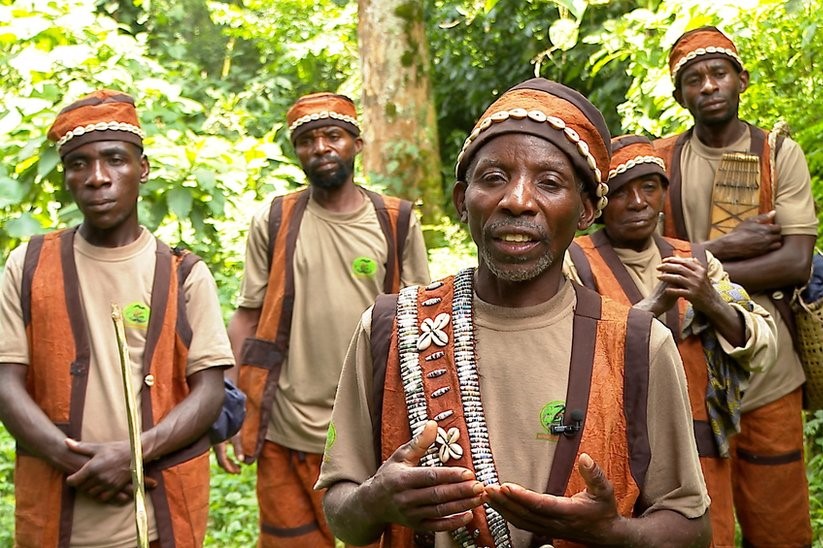
The Batwa people of Uganda are one of the oldest indigenous communities in the Great Lakes region of Africa. For thousands of years, they lived as hunter-gatherers deep within the dense rainforests of Bwindi Impenetrable Forest and Mgahinga Gorilla National Park. Often referred to as the “keepers of the forest,” the Batwa developed an intimate knowledge of the plants, animals, and rhythms of the woodland environment. Today, visitors can still learn about their rich culture, traditions, and resilience through carefully organised cultural experiences. This guide explores the history, lifestyle, challenges, and living heritage of the Batwa people of Uganda. Arcadia Safaris supports respectful and community-based tourism that benefits the Batwa while offering travellers authentic cultural encounters. The Batwa People, Batwa Cultural Experience, Batwa History and Culture, Batwa in Bwindi and Mgahinga
Origins and History of the Batwa People
The Batwa, also known as Twa or Pygmy people in older literature, are indigenous to the forests that stretch across parts of Uganda, Rwanda, Burundi, and the Democratic Republic of Congo. Their history is deeply rooted in the ancient rainforests of the Albertine Rift. For generations, they lived semi-nomadic lives, moving through the forest in search of food, medicinal plants, and shelter.
The forests of Bwindi and Mgahinga were central to their identity. These ecosystems provided not only sustenance but also spiritual meaning and cultural continuity. The Batwa’s traditional knowledge of the forest — including tracking, plant use, and survival skills — was passed down orally through stories, songs, and practical teaching. Batwa History and Culture
Traditional Lifestyle and Culture
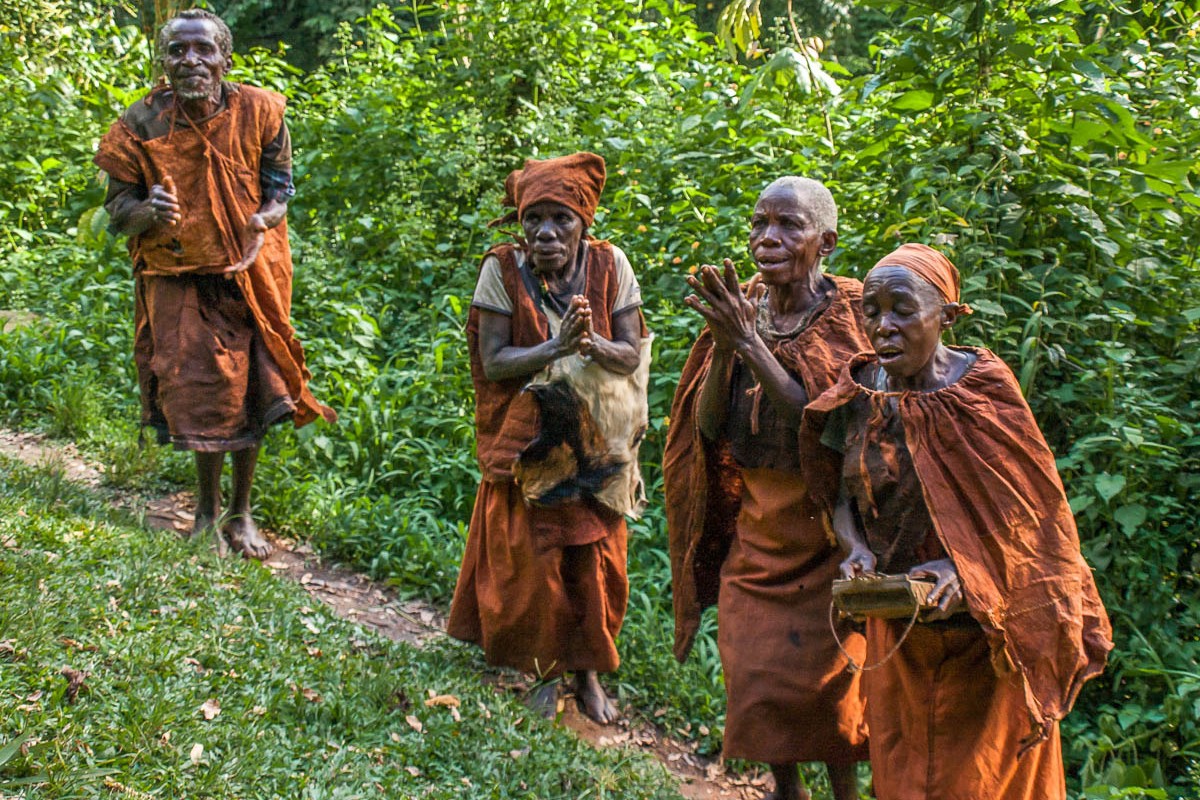
The traditional Batwa lifestyle centred on hunting small game, gathering wild honey, fruits, and edible plants, and using forest resources sustainably. They possessed exceptional knowledge of medicinal plants and the behaviour of forest animals. Music, dance, and storytelling played a vital role in community life, serving both as entertainment and as a means of transmitting history and values to younger generations.
Their cultural expressions often reflect a deep spiritual connection to the forest. Songs and dances celebrate the natural world, successful hunts, and important life events. These artistic traditions remain an important part of Batwa identity even as their way of life has changed.
Challenges and Displacement
The creation of national parks and conservation areas in the name of protecting the endangered mountain gorillas and forest ecosystems led to the displacement of many Batwa communities from their ancestral lands. This forced transition from a forest-based, semi-nomadic existence to life outside the forest brought significant social and economic challenges.
Many Batwa faced loss of livelihood, limited access to education and healthcare, and social marginalisation. Adapting to agriculture and settled life proved difficult for a community whose skills and knowledge were rooted in the forest. These historical injustices continue to affect Batwa communities today, although efforts toward recognition, land rights, and improved living conditions are ongoing.
Preserving Culture Through Responsible Tourism
In recent years, cultural tourism has become an important way for the Batwa to share their heritage while generating income. Organised experiences such as the Batwa Trail in Mgahinga and community visits near Bwindi allow visitors to learn directly from Batwa guides about traditional forest skills, medicinal plants, hunting techniques, music, and dance.
These encounters, when managed respectfully, provide economic opportunities for the community and help keep cultural knowledge alive. They also raise awareness among travellers about the history and ongoing challenges faced by indigenous forest peoples. Supporting genuine community-based tourism is one of the most practical ways visitors can contribute positively.
Experiencing Batwa Culture Today
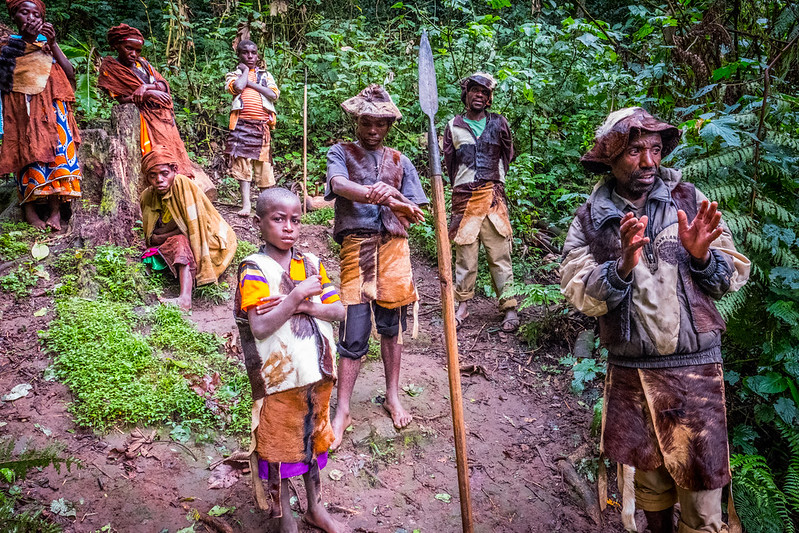
Travellers visiting Bwindi Impenetrable National Park or Mgahinga Gorilla National Park can take part in guided cultural walks and performances led by Batwa community members. These experiences typically include demonstrations of traditional fire-making, honey harvesting, medicinal plant use, and storytelling. Many programmes are designed to ensure that a fair share of the income reaches the participants and their families.
Arcadia Safaris works with established community initiatives to offer authentic and respectful Batwa cultural experiences as part of broader gorilla trekking itineraries. Batwa History and Culture
Why Choose Arcadia Safaris for Batwa
Arcadia Safaris believes in responsible tourism that benefits local communities. When you book a cultural experience with us, we prioritise partnerships that support Batwa livelihoods and cultural preservation. Our guides help facilitate meaningful interactions while ensuring the experience remains dignified and educational for both visitors and hosts.
Final Remarks on Batwa People
The Batwa people of Uganda represent a profound connection between humanity and the forest. Their history, knowledge, and cultural resilience offer valuable lessons about living in harmony with nature. While they have faced significant challenges through displacement and social change, many Batwa communities continue to preserve their heritage and share it with the world. Meeting the Batwa through respectful cultural tourism adds depth and human meaning to any visit to Bwindi or Mgahinga.
Ready to Experience Batwa Culture? Let Arcadia Safaris include an authentic Batwa cultural experience in your Uganda gorilla trekking itinerary. Contact us at info@arcadiasafaris.com or via WhatsApp to plan and book your Batwa cultural experience safari adventure with Arcadia Safaris today!.