
Things to Do in Akagera National Park, Rwanda: A Complete Safari Guide
Akagera National Park is one of the best places to experience Rwanda’s wildlife beyond its famous mountain gorilla trekking destinations. Located in eastern Rwanda, along the Tanzanian border, the park is known for its open savannah plains, rolling hills, woodlands, wetlands and beautiful lakes; These varied landscapes create habitats for an impressive range of African wildlife and make Akagera an excellent destination for a traditional savannah safari.
There are several rewarding things to do in Akagera National Park, from searching for the Big Five on a game drive to watching hippos and crocodiles during a boat safari on Lake Ihema; The park also offers excellent birdwatching opportunities, guided night drives and experiences that introduce visitors to its conservation work and neighbouring communities.
Whether you are planning a day trip from Kigali or a multi-day Rwanda wildlife safari, Akagera offers a different perspective on the country’s natural heritage. This guide from Arcadia Safaris explores the most worthwhile activities and explains how to plan your visit.
1. Wildlife Game Drive in Akagera National Park
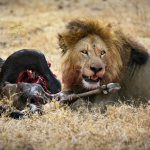
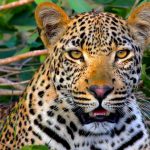
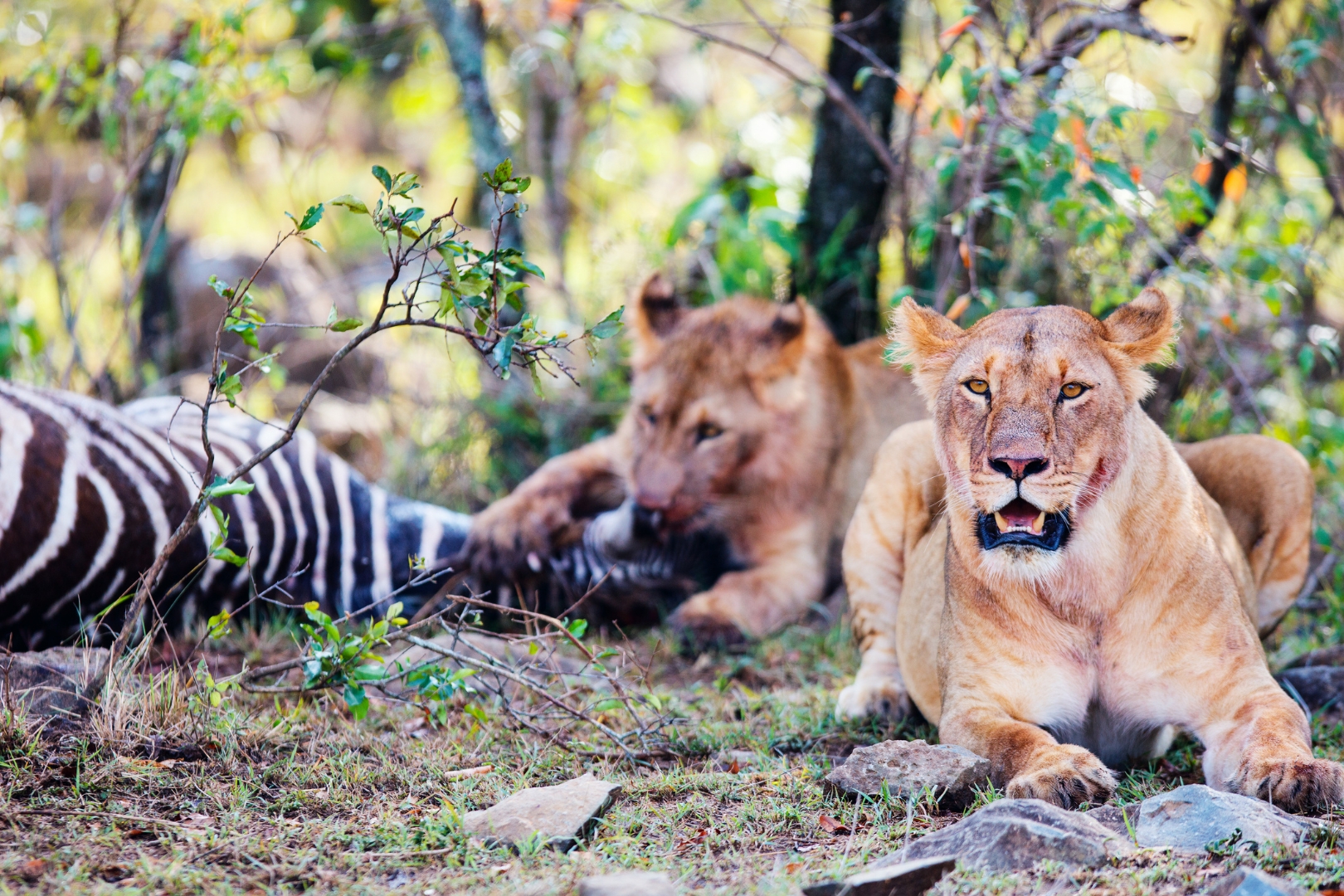
A wildlife game drive is one of the most rewarding things to do in Akagera National Park. Travelling through the park by safari vehicle allows visitors to explore its savannah grasslands, woodland and other habitats while looking for animals in their natural environment; Akagera is home to the Big Five: lions, leopards, elephants, African buffaloes and rhinoceroses. The park is also known for Masai giraffes, zebras, hippos, spotted hyenas and several antelope species, including impalas, topis and waterbucks; The combination of large mammals and varied scenery makes game drives appealing to first-time safari visitors and experienced wildlife enthusiasts alike.
Morning game drives are particularly worthwhile because the temperatures are generally cooler and many animals are active. Visitors may see herbivores grazing in open areas, giraffes feeding on trees or predators moving through suitable habitat. Afternoon drives offer another opportunity to explore the park, with attractive light for photography and chances to observe wildlife as the day progresses; For the best experience, allow enough time to explore rather than rushing between locations. Wildlife sightings depend on animal movements, weather, vegetation and the areas visited, so seeing every species during one safari cannot be guaranteed.
Visitors can explore Akagera on a self-drive safari or arrange a guided game drive. A knowledgeable guide from Arcadia Safaris can help identify animals, interpret tracks and explain the relationships between the park’s wildlife and habitats. A four-wheel-drive vehicle is particularly useful when road conditions are challenging, especially during wetter periods.

2. Take a Boat Safari on Lake Ihema
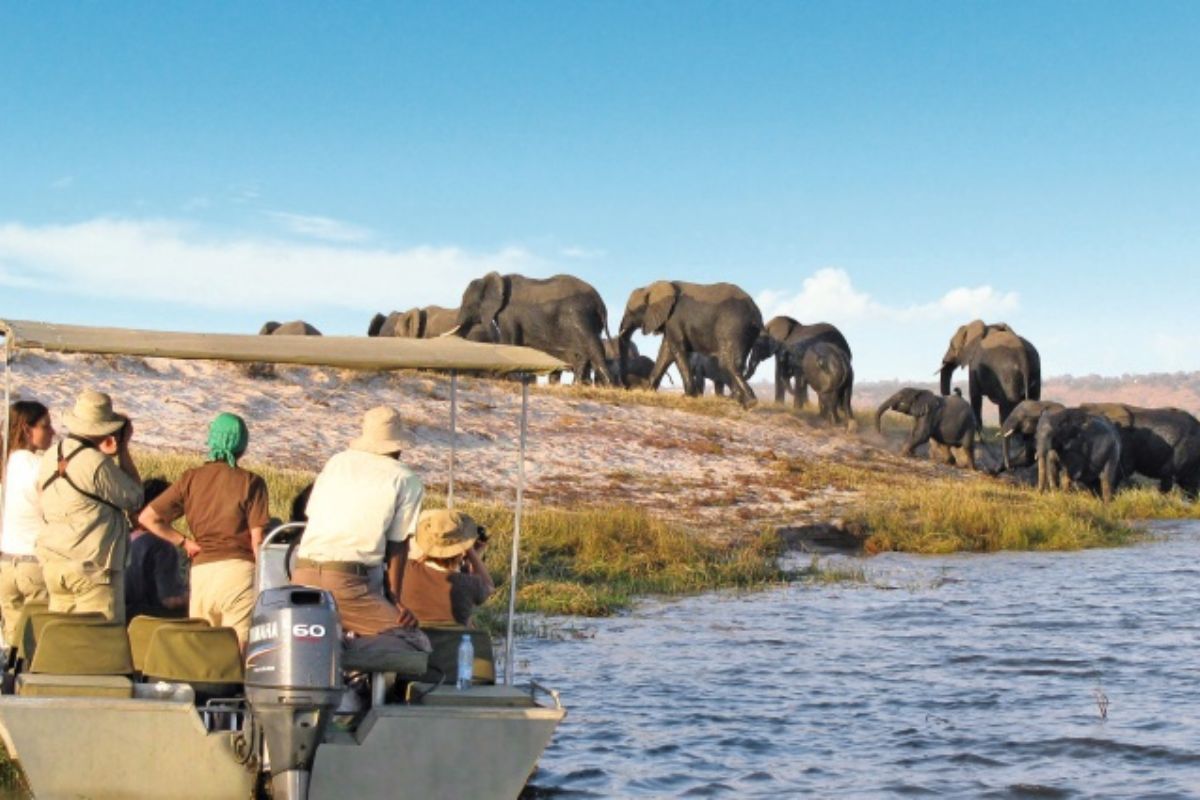
drive explores the savannah from land, a boat excursion introduces visitors to the park’s aquatic wildlife and wetland ecosystems. Lake Ihema, the largest lake within Akagera, attracts hippos, Nile crocodiles and a rich variety of birdlife. During a boat trip, visitors can observe hippos surfacing in the water, crocodiles resting along the shoreline and birds feeding among the reeds and aquatic vegetation. They may also spot animals approaching the lake’s edge, although sightings vary with conditions.
The lake offers rewarding opportunities for nature photographers and birdwatchers. Visitors may spot African fish eagles, kingfishers, herons and other water-associated birds around the lake. The excursion also provides a peaceful opportunity to appreciate Akagera’s scenery from a different perspective.
Park operators schedule boat safaris and excursions at designated times and may arrange private trips upon request. Since departure times and availability can change, visitors should confirm the current schedule before finalising their itinerary. By combining a Lake Ihema boat safari with a wildlife game drive, travellers can enjoy a more varied experience of Akagera National Park. This combination allows them to explore both the savannah’s wildlife and the aquatic habitats that contribute to the park’s ecological diversity.
3. Birding in Akagera National Park
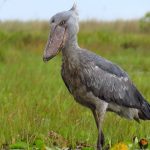
Akagera National Park is an excellent destination for birdwatching in Rwanda because its different habitats support a wide variety of bird species; Lakes, papyrus wetlands, woodland and open grassland each attract different birds, making the park rewarding for both dedicated birders and visitors who simply enjoy observing nature. Wetland areas are particularly interesting. Birdwatchers may look for the shoebill, a distinctive and sought-after African bird, as well as the papyrus gonolek and numerous species associated with lakes and marshes; African fish eagles, kingfishers, herons, egrets, rollers and other savannah birds add to the diversity; Lake Ihema is a useful place to begin exploring the park’s wetland birdlife, and a boat safari can provide excellent views of birds along the water’s edge. Game drives through other habitats offer opportunities to look for woodland and grassland species.
Birdwatching is possible throughout the year, although the species encountered and their activity can vary by season. The wetter months can be especially interesting for birders looking for seasonal visitors, while the park’s resident species provide opportunities in other periods. If birdwatching is a priority, bring binoculars and allow time to observe birds carefully. An experienced guide can help identify species by their calls, plumage and behaviour. As with other wildlife activities, sightings of specific birds, including the shoebill, should never be assumed or guaranteed.

4. Experience a Guided Night Game Drive in Akagera
A guided night game drive offers a different perspective on Akagera National Park. As daylight fades, some animals become more active, giving visitors opportunities to look for nocturnal wildlife that often escapes notice during ordinary daytime drives. During a night drive, an authorised guide uses appropriate lighting to help visitors locate animals. Depending on conditions, sightings may include bushbabies, genets, civets, nightjars and other nocturnal species. Visitors may also encounter larger mammals moving through the park after dark, although sightings of particular animals are never guaranteed.
The appeal of a night safari extends beyond wildlife sightings. The sounds of the bush, the changing atmosphere and the search for animals after sunset distinguish this experience from a conventional game drive. Park authorities generally organise night drives for overnight visitors, subject to current arrangements and availability. If you would like to include one in your Rwanda safari, contact the park in advance to confirm departure arrangements and accommodation requirements. For travellers spending two or more days in Akagera, a night drive complements daytime game viewing and provides a broader understanding of the park’s wildlife activity.
5. Experience a Hot-Air Balloon Safari in Akagera
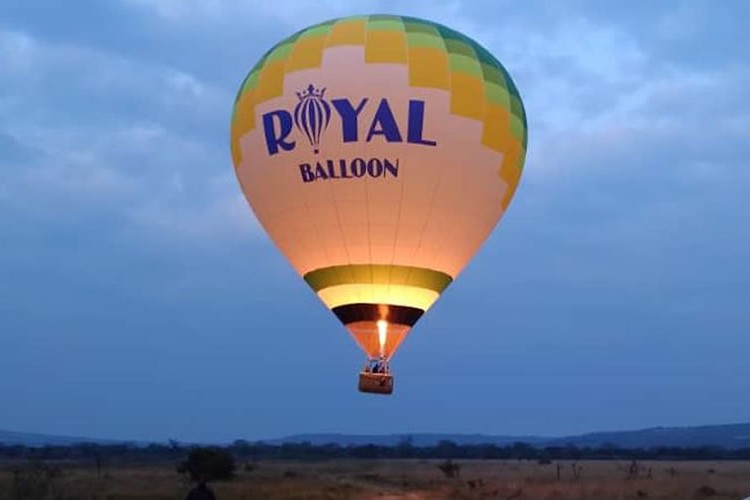
A hot-air balloon safari offers a unique way to experience the landscapes of Akagera National Park. Instead of exploring the savannah from a safari vehicle, visitors can enjoy an aerial perspective of the park’s rolling hills, open grasslands, lakes and wetlands. The experience provides a different appreciation of Akagera’s scenery and the variety of habitats that support its wildlife. A balloon flight typically begins early in the morning, when weather conditions may be suitable for flying. As the balloon moves above the landscape, passengers may see animals moving across open areas or gathering near water sources. However, wildlife sightings from the air depend on the animals’ locations and the conditions on the day.
For travellers celebrating a special occasion, enjoying landscape photography or looking for a distinctive safari experience, a hot-air balloon flight can be an appealing addition to an Akagera itinerary. It is also an alternative perspective for visitors who have already experienced traditional game drives elsewhere in East Africa. Hot-air balloon safaris operate separately from standard game drives and require advance planning. Availability, departure arrangements, prices and weather-related restrictions should be confirmed directly with the operator before booking. A flight should not be assumed to operate every day or to be included in a standard Akagera safari package.
6. Enjoy Sport Fishing at Lake Shakani
Sport fishing at Lake Shakani is another activity to consider when planning things to do in Akagera National Park. It provides a quieter alternative to game drives and is particularly suitable for travellers who enjoy fishing and spending time beside the water. Lake Shakani is known for its fishing opportunities and forms part of Akagera’s wider network of lakes and wetlands. Visitors can enjoy the natural surroundings while trying their luck at catching fish, subject to the park’s current fishing regulations and arrangements. Unlike a wildlife game drive, which involves travelling through different habitats in search of animals, fishing offers a slower-paced experience. It can be a worthwhile addition for travellers spending several days in the park who want to balance wildlife viewing with another outdoor activity.
Before planning a fishing session, confirm the applicable activity fees, permitted fishing methods and equipment requirements with park management. Visitors may need to bring their own fishing gear, and all fishing must follow the park’s current regulations. If you are planning a short visit to Akagera, consider whether fishing fits comfortably into your schedule alongside game drives or a boat safari. For visitors with more time, it can be a relaxing way to experience another aspect of the park’s lakeside environment.
7. Community Cultural Experience in Akagera
A community cultural experience adds a valuable human dimension to an Akagera National Park safari. While wildlife viewing introduces visitors to Rwanda’s natural heritage, community visits provide opportunities to learn about the traditions, livelihoods and everyday activities of people living in the surrounding region; Depending on availability, organised experiences may include visits connected with cattle keeping and milk production, traditional honey harvesting or processing, and local banana-beer production; These activities offer insight into the importance of agriculture, livestock and local knowledge in the lives of communities in eastern Rwanda.
A cultural visit also offers an opportunity to engage with local hosts, ask questions and learn how community-based tourism creates economic opportunities; Established community initiatives can channel tourism income to participating households and strengthen the connection between visitors and the places they explore. Since the available experiences may vary, visitors should arrange their visits in advance and confirm the activities included. They should also approach cultural encounters respectfully, follow their hosts’ guidance and ask permission before photographing people.
By combining a community cultural experience with a game drive or boat safari, travellers can enjoy a more rounded visit to Akagera. This combination allows them to appreciate not only the park’s wildlife and landscapes but also the people and cultural traditions that shape the wider region.

8. Learn About Conservation and Local Community Life
Akagera National Park is not only a destination for wildlife viewing; it also serves as an important conservation area with a remarkable recovery story. Conservation initiatives and improved park management have helped restore wildlife populations and strengthen the protection of the park’s ecosystems. The reintroduction of lions in 2015 and eastern black rhinoceroses in 2017 marked important milestones in Akagera’s recovery. African Parks and the Rwanda Development Board (RDB) jointly manage the park, while conservation and responsible tourism play important roles in securing its long-term future.
Visitors interested in conservation can enquire about the park’s Behind the Scenes experience, which introduces participants to park management and the work involved in protecting wildlife; This experience can prove particularly meaningful for conservation enthusiasts, students and travellers who want to understand how park authorities manage a protected area beyond what visitors see on a game drive. Visitors should confirm availability and booking requirements directly with the park.
Community cultural experiences offer another way to understand the region surrounding Akagera. Local community guides organise activities that may include visits to a dairy farm, a honey cooperative or a banana-beer producer. These experiences introduce visitors to local livelihoods and traditions, including the cultural importance of cattle and milk in eastern Rwanda. The park’s visitor information explains how revenue from these experiences reaches participating community members. By including a conservation or cultural experience in your itinerary, you can add depth to your safari and connect wildlife tourism with the people and initiatives that contribute to the wider landscape.
Best Time to Visit Akagera National Park
Akagera National Park can be visited throughout the year, but the most suitable and best time depends on your interests. Travellers primarily interested in wildlife viewing often favour the drier periods, particularly from June to September and during the generally drier months around December to February; Shorter vegetation in some areas can make animals easier to spot, although sightings always depend on wildlife movements and local conditions.
The wetter periods can be rewarding for visitors who appreciate green landscapes, photography and birdwatching. Rainfall brings changes to vegetation and habitat conditions, and bird activity may be particularly interesting at certain times of year. However, wet weather can affect road conditions and journey times within the park.
There is no single month that guarantees the best experience for every traveller. If your main priority is game viewing, consider the drier season. If you are particularly interested in birds or lush scenery, other times of year may suit your plans well.
How Many Days Do You Need in Akagera National Park?
One day can provide a useful introduction to Akagera, especially for travellers staying in Kigali who want to experience Rwanda’s savannah wildlife. However, a day visit requires careful planning because road transfers, wildlife viewing and activity schedules all take time.
For a more relaxed experience, consider spending two days and one night (3-Day Akagera Safari) in or near the park. This allows more time for game drives and can make it easier to include a boat safari on Lake Ihema. An overnight stay may also make a guided night drive possible, depending on the accommodation and activity arrangements.
Travellers who want to explore at a slower pace or focus on birdwatching may prefer three days or longer. Additional time gives you more opportunities to explore different habitats and enjoy the park without trying to fit every activity into a single day; The best itinerary depends on your interests, travel dates and budget. It is worth confirming the availability of your preferred activities before choosing accommodation and arranging transfers.
Plan Your Akagera National Park Safari with Arcadia Safaris
Akagera National Park offers a rewarding combination of savannah wildlife, beautiful lakes, birdlife and conservation experiences. From searching for the Big Five on a game drive to observing hippos and crocodiles on Lake Ihema, the park provides a distinctive wildlife experience for travellers visiting Rwanda; The most enjoyable safari is one that gives you enough time to appreciate the park rather than rushing from one activity to another; A well-planned visit can combine game drives, a boat safari and other experiences according to your interests and the time available.
At Arcadia Safaris, we organise private, tailor-made safaris in Rwanda and across East Africa. We can help you plan an Akagera National Park safari with private transport, an experienced English-speaking guide-driver, suitable accommodation and activities matched to your preferences; Whether you are considering a day trip from Kigali, a two-day Akagera wildlife safari or a longer Rwanda itinerary combining savannah wildlife with gorilla trekking in Volcanoes National Park, we can help you plan a practical and memorable journey. Contact Arcadia Safaris to start planning your Rwanda safari. Contact us today for expert advice and a free quote. Email us atinfo@arcadiasafaris.com or via WhatsApp to start planning your safari to Akagera National Park of Rwanda with Arcadia Safaris today!