How Much is a Safari in Tanzania? Complete Cost Guide for 2027–2028
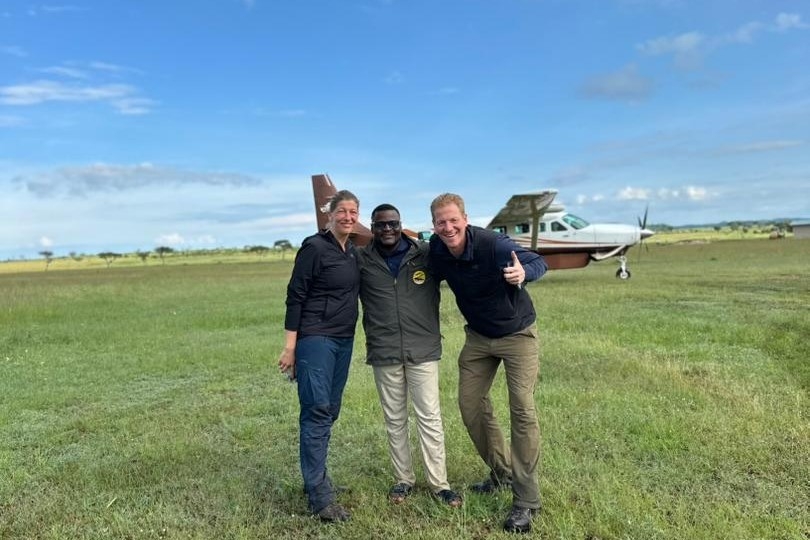
How Much is a Safari in Tanzania? A safari in Tanzania is one of the most rewarding wildlife experiences in Africa, offering opportunities to explore world-famous destinations such as Serengeti National Park, Ngorongoro Conservation Area, Tarangire National Park and Lake Manyara National Park. From witnessing the Great Wildebeest Migration across the Serengeti plains to observing large elephant herds beneath ancient baobab trees in Tarangire and exploring the spectacular Ngorongoro Crater, Tanzania offers some of the continent’s finest wildlife experiences. However, one of the first questions travellers ask when planning a safari is: How much does a safari in Tanzania cost?
The cost of a Tanzania safari varies considerably depending on the number of days, destinations, accommodation category, travel season, group size and whether you choose a private or shared safari. A budget camping safari can cost approximately USD 250–400 per person per day, while a comfortable mid-range lodge safari may range from USD 450–800 per person per day. Luxury safaris can cost USD 850–1,500 or more per person per day, particularly when they include exclusive tented camps, premium lodges and flights between destinations. These are indicative 2027–2028 planning estimates for organised safaris, not fixed quotations, and actual prices depend on the itinerary and services included.
Understanding what goes into a safari quotation is important because two Tanzania safari packages covering the same national parks can have very different prices. Accommodation, park fees, transport, professional guiding and the number of people sharing a safari vehicle all influence the final cost. This guide explains how much you should budget for a Tanzania safari, what different accommodation categories offer, which expenses are included, when to travel and how to plan a memorable wildlife holiday without spending more than necessary.

How Much Does a Tanzania Safari Cost Per Person?
As a general guide, organised Tanzania safaris can be divided into three main categories: budget, mid-range and luxury. Each offers a different level of accommodation, transport, privacy and overall comfort. The following estimates are useful starting points for international visitors planning a safari in northern Tanzania, particularly the popular routes covering Tarangire, Serengeti and Ngorongoro.
|
Safari category |
Approximate cost per person per day | Estimated 7-day cost per person |
|---|---|---|
|
Budget camping safari |
USD 250–400 |
USD 1,750–2,800 |
|
Mid-range lodge safari |
USD 450–800 |
USD 3,150–5,600 |
|
Luxury safari |
USD 850–1,500+ |
USD 5,950–10,500+ |
| Luxury fly-in safari | USD 1,200–2,500+ |
USD 8,400–17,500+ |
These are indicative 2027–2028 estimates based on typical organised safari packages and generally assuming two people sharing accommodation. The actual quotation depends on the route, season, accommodation, vehicle arrangements and inclusions.
These figures help travellers understand the likely budget before they request a detailed itinerary. A seven-day camping safari and a seven-day luxury safari may visit the same parks, but they offer very different accommodation and transport experiences. Similarly, a private safari for two people generally costs more per person than a shared group departure because fewer travellers share the vehicle, guide and other operational expenses.
1. Budget Tanzania Safari Cost
A budget Tanzania safari is suitable for travellers who want to experience the country’s famous national parks while keeping accommodation and transport costs relatively low. Prices generally range from approximately USD 250 to USD 400 per person per day, depending on the itinerary, season and whether the safari uses shared transport. Budget safaris commonly feature public campsites, basic camping equipment, simple meals and shared safari vehicles. Travellers may join other visitors on scheduled departures, allowing the vehicle, guide and other operational expenses to be divided among several participants.
During a camping safari, visitors typically sleep in dome tents at designated campsites, with basic facilities such as shared bathrooms and shower areas. Meals are usually prepared by a safari cook or provided through the operator’s camping arrangements. Although the accommodation is simple, the wildlife experience can still be excellent because visitors explore the same national parks and encounter many of the same animals as travellers staying in more expensive lodges. Budget camping can therefore be a good option for adventurous travellers, backpackers and visitors who prioritise wildlife viewing over accommodation facilities.
However, travellers should check what a budget quotation includes before making a booking. Some packages include park fees, meals, camping equipment and all game drives, while others may have additional charges. It is also important to understand whether the vehicle is shared, how many passengers will travel together and where the campsites are located. A very low price may mean fewer services, less convenient accommodation locations or additional expenses that are not immediately obvious in the advertised package.
2. Mid-Range Tanzania Safari Cost
A mid-range Tanzania safari is an excellent choice for couples, families and travellers who want comfortable accommodation, reliable safari services and a personalised wildlife experience without paying luxury prices. The typical cost ranges from approximately USD 450 to USD 800 per person per day for a private lodge safari, although shared mid-range packages may cost less depending on the group size and itinerary. This category usually includes comfortable lodges, permanent tented camps or safari properties with private ensuite rooms, proper beds, bathrooms, restaurant facilities and other amenities.
Accommodation is one of the main differences between budget and mid-range safaris. Instead of sleeping in public campsites, travellers stay in comfortable rooms or private safari tents, often with ensuite bathrooms, hot showers and well-equipped dining areas. Many properties are located near national parks or within convenient wildlife-viewing areas, allowing visitors to enjoy game drives without unnecessary transfers. Full-board arrangements are common, with breakfast, lunch and dinner included throughout the safari.
Transport and guiding arrangements also influence the overall experience. A private mid-range safari generally includes a dedicated 4×4 Toyota Land Cruiser with a professional driver-guide, allowing travellers to explore at their preferred pace. The vehicle can stop for photography, spend additional time observing wildlife and adjust game drives according to the interests of the guests. This flexibility is particularly useful for families, photographers and couples who prefer privacy rather than travelling with strangers. For many international visitors, a mid-range private safari offers an excellent balance between comfort, service quality and cost.
3. Luxury Tanzania Safari Cost
Luxury Tanzania safaris are designed for travellers seeking premium accommodation, personalised service, exceptional locations and a more exclusive experience. Prices generally start at approximately USD 850 per person per day and can exceed USD 1,500, depending on the property, season and itinerary. Some of the most exclusive safari camps and lodges charge considerably more, particularly during the Great Migration season when demand for accommodation in prime wildlife areas is high.
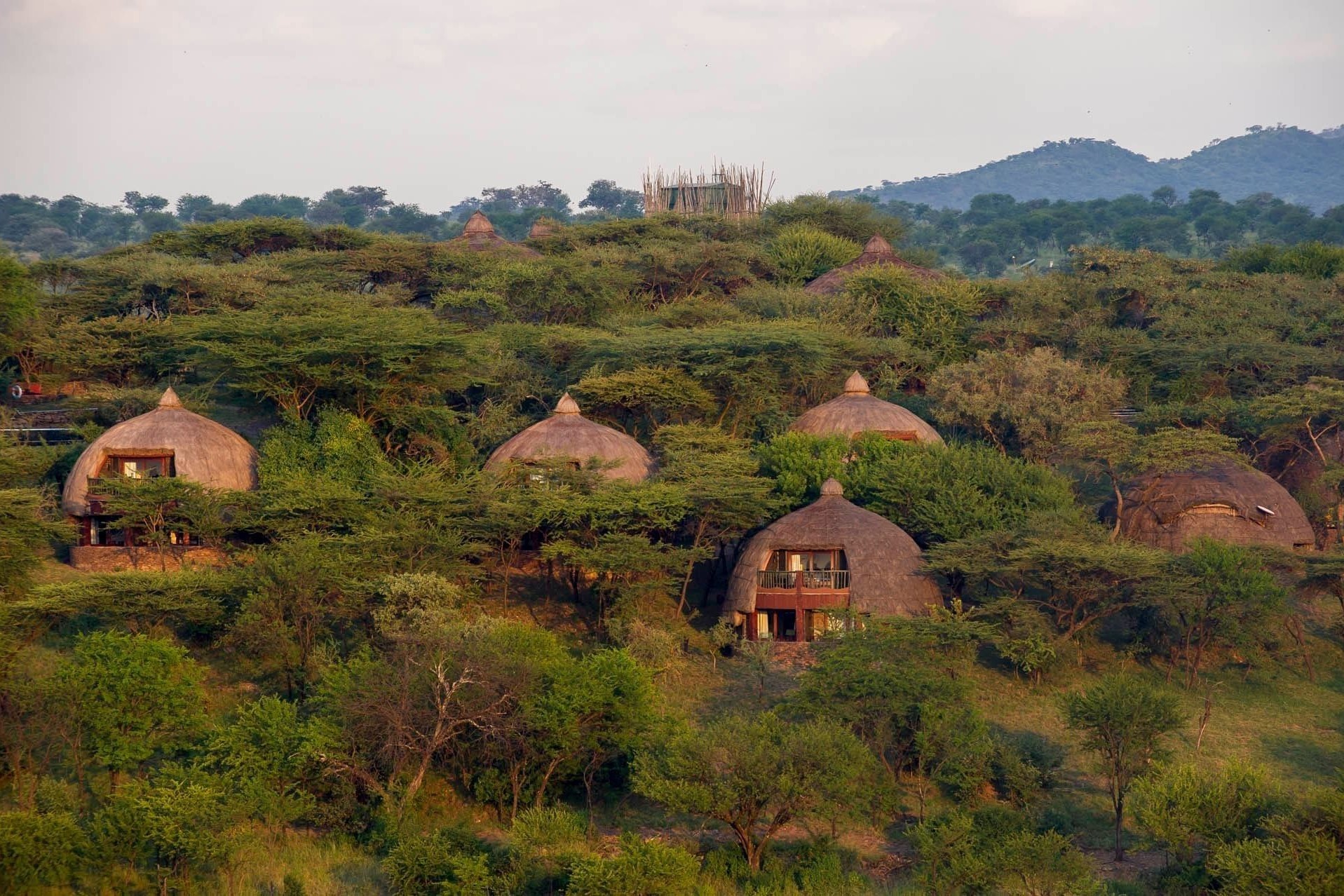
Luxury accommodation in Tanzania includes high-end tented camps, boutique safari lodges and exclusive properties located within or close to important wildlife habitats. Guests may enjoy spacious ensuite tents or suites, private decks, elegant furnishings, fine dining, swimming pools, personalised hospitality and spectacular views of the surrounding wilderness. Some properties also include selected beverages, laundry services, private activities and other additional benefits, although these inclusions vary from one lodge to another.
A luxury safari may also include private game drives, specialist guides, exclusive camp experiences and additional activities such as hot air balloon flights. Some travellers choose fly-in safaris, using light aircraft to travel between Serengeti airstrips, Ngorongoro or other destinations rather than spending long hours on the road. This can significantly reduce transfer times and allow more time for wildlife viewing, but it also increases the overall cost. Luxury safaris are particularly suitable for honeymooners, special celebrations, families seeking premium accommodation and travellers who value privacy and personalised attention.

How Much Does a Private Tanzania Safari Cost?
A private Tanzania safari gives you the freedom to travel with your own safari vehicle and professional driver-guide rather than joining a group of strangers. The vehicle is reserved for you and your travelling companions, allowing you to follow a more flexible programme based on your interests, photography preferences and preferred pace. Private safaris are particularly popular among couples, families and small groups who want a more personalised experience.
The cost of a private safari depends on the number of travellers sharing the vehicle, the accommodation category, the route and the number of days. For two people sharing a private mid-range safari, an indicative budget of USD 450–800 per person per day is a useful starting point. Groups of four, five or six travellers can often reduce the per-person cost because expenses such as the safari vehicle, guide, fuel and some operational charges are shared among more people. The exact saving depends on room arrangements, vehicle capacity and park-specific charges.
A private safari also provides greater flexibility when planning daily activities. You can spend more time at wildlife sightings, take photography breaks, enjoy longer game drives or adjust the programme where conditions permit. This is especially valuable in the Serengeti, where wildlife movements change throughout the year, and in destinations such as Tarangire and Ngorongoro, where the timing of game drives can influence the experience. Although private safaris may cost more than shared group departures, many travellers consider the added comfort, privacy and flexibility worthwhile.
How Much Do Tanzania’s National Park Fees Cost?
National park and conservation fees are among the most important components of a Tanzania safari quotation. These charges support the management of protected areas, wildlife conservation, infrastructure and visitor services. Unlike accommodation and some transport arrangements, government conservation fees are generally fixed according to the applicable tariffs and visitor categories. This means safari operators cannot simply remove these costs to make a package significantly cheaper.
Some of Tanzania’s most popular northern safari destinations include Serengeti National Park, Tarangire National Park, Lake Manyara National Park and Ngorongoro Conservation Area. Each has its own applicable fees, and charges may differ according to the visitor’s nationality or residency status, age, season and type of activity. Additional fees may apply to vehicles, camping, accommodation concessions and particular activities.
For international visitors, the Serengeti and Ngorongoro can contribute substantially to the overall safari budget, especially on itineraries that spend several days in these areas. The Ngorongoro Crater descent also has a separate vehicle-based service charge, which is shared according to the vehicle arrangements. Accommodation inside certain protected areas may attract additional concession charges, which are normally incorporated into the accommodation or safari package price.
Because park tariffs can change, visitors should request an up-to-date breakdown when booking. The official Tanzania National Parks tariffs provide information on applicable national park charges, while Ngorongoro Conservation Area fees should be confirmed through the Ngorongoro Conservation Area Authority. Recent 2026 safari cost guides also illustrate how conservation fees, concession charges and crater service fees can make up a significant part of the total cost.
How Much Does Accommodation Cost in Tanzania?
Accommodation is one of the biggest factors influencing the cost of a Tanzania safari. The country offers a wide range of places to stay, including public campsites, permanent tented camps, safari lodges, boutique properties and exclusive luxury retreats. The location of accommodation is equally important because properties inside or close to national parks can reduce driving time and provide better access to wildlife-viewing areas.
Budget Accommodation
Budget accommodation generally includes public campsites, basic lodges and simple guesthouses outside major wildlife areas. Public camping is among the most affordable options, although facilities may be shared and relatively basic. Some budget travellers choose accommodation in towns such as Karatu or Mto wa Mbu when visiting the Ngorongoro and Lake Manyara areas, while others use designated campsites within the safari circuit. These options can help control expenses, although staying outside a park may require longer transfers to reach game-viewing areas.
Mid-Range Accommodation
Mid-range accommodation provides a comfortable balance between affordability and quality. Many lodges and tented camps offer private ensuite rooms or tents, comfortable beds, restaurants, hot showers and pleasant outdoor settings. Properties in and around Serengeti, Karatu, Tarangire and other safari areas allow visitors to enjoy a comfortable stay without necessarily paying the premium rates charged by exclusive luxury camps. For many travellers, mid-range accommodation offers the best overall value for a multi-day Tanzania safari.
Luxury Accommodation
Luxury accommodation includes high-end tented camps and safari lodges with spacious suites, excellent dining, personalised service and carefully selected locations. Some camps are positioned in important wildlife areas, allowing guests to enjoy game drives close to seasonal migration routes or resident wildlife populations. Luxury properties may also offer swimming pools, private decks, spa facilities, selected beverages and other premium services. Prices can rise significantly during high-demand periods, particularly in popular Serengeti migration areas.
How Much Does a Safari Vehicle and Driver-Guide Cost?
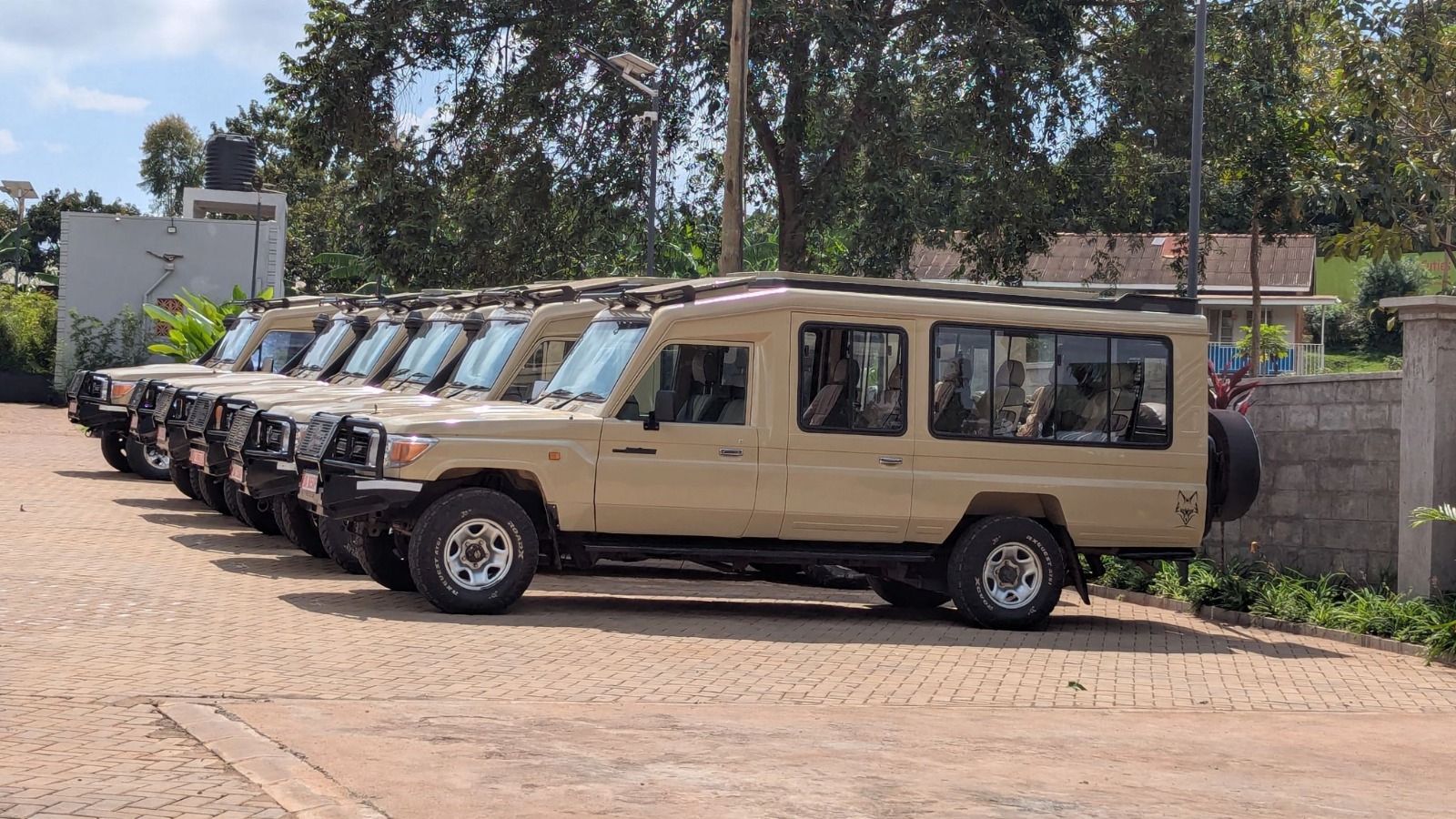
Transport is another major part of a Tanzania safari quotation. Most traditional road safaris use specially adapted 4×4 Toyota Land Cruisers with pop-up roofs, which allow passengers to enjoy unobstructed views and photograph wildlife during game drives. These vehicles are designed for safari conditions and provide access to many of the country’s national parks and wildlife areas.
A safari vehicle is usually accompanied by a professional driver-guide who is responsible for driving, wildlife interpretation, route planning and coordinating daily activities. The cost of the vehicle and guide depends on the number of days, route, fuel requirements, vehicle type and whether the safari is private or shared. When several travellers share a vehicle, the per-person transport cost can be lower because the vehicle and guide expenses are divided among the group.
Private vehicles are especially useful for couples, families and photographers who prefer flexible game drives. They allow travellers to spend more time at sightings, adjust departure times where permitted and enjoy a more personalised safari. When comparing quotations, ask whether the vehicle is private, how many passengers it carries and whether fuel, guide services and park vehicle charges are included.
How Does the Season Affect Tanzania Safari Prices?
The time of year you travel can have a significant effect on the cost of a Tanzania safari. Accommodation prices are often higher during periods of strong demand, particularly when the Great Wildebeest Migration attracts visitors to the Serengeti. The dry season is also popular because wildlife is generally easier to observe in many areas, although the best travel period depends on the parks and experiences included.
Peak Season: June to October
June to October is one of the busiest safari periods in northern Tanzania. Wildlife viewing is often excellent as vegetation becomes less dense and animals concentrate around available water sources. The Serengeti is particularly popular during this period because parts of the Great Wildebeest Migration move through the western and northern regions, with dramatic river crossings possible at certain times. Accommodation in prime locations can be expensive, and popular lodges and tented camps may sell out well in advance.
Green Season: November to May
The green season brings more rainfall to many parts of Tanzania, creating greener landscapes and excellent photographic scenery. Although rainfall can affect road conditions and wildlife distribution, this period can provide rewarding safari experiences and, in some areas, lower accommodation rates. January to March is especially important in the southern Serengeti and Ndutu region, where wildebeest gather during the calving season. This attracts predators and creates excellent opportunities to observe the natural cycle of the migration.
March to May is generally one of the wetter periods, and some camps may close temporarily or operate with reduced services. Travellers considering this period should confirm accommodation availability and road conditions before booking. November and parts of the green season can offer a useful balance between attractive landscapes and potentially lower accommodation prices, although savings vary by property and destination.
How Much Does it Cost to See the Great Wildebeest Migration?
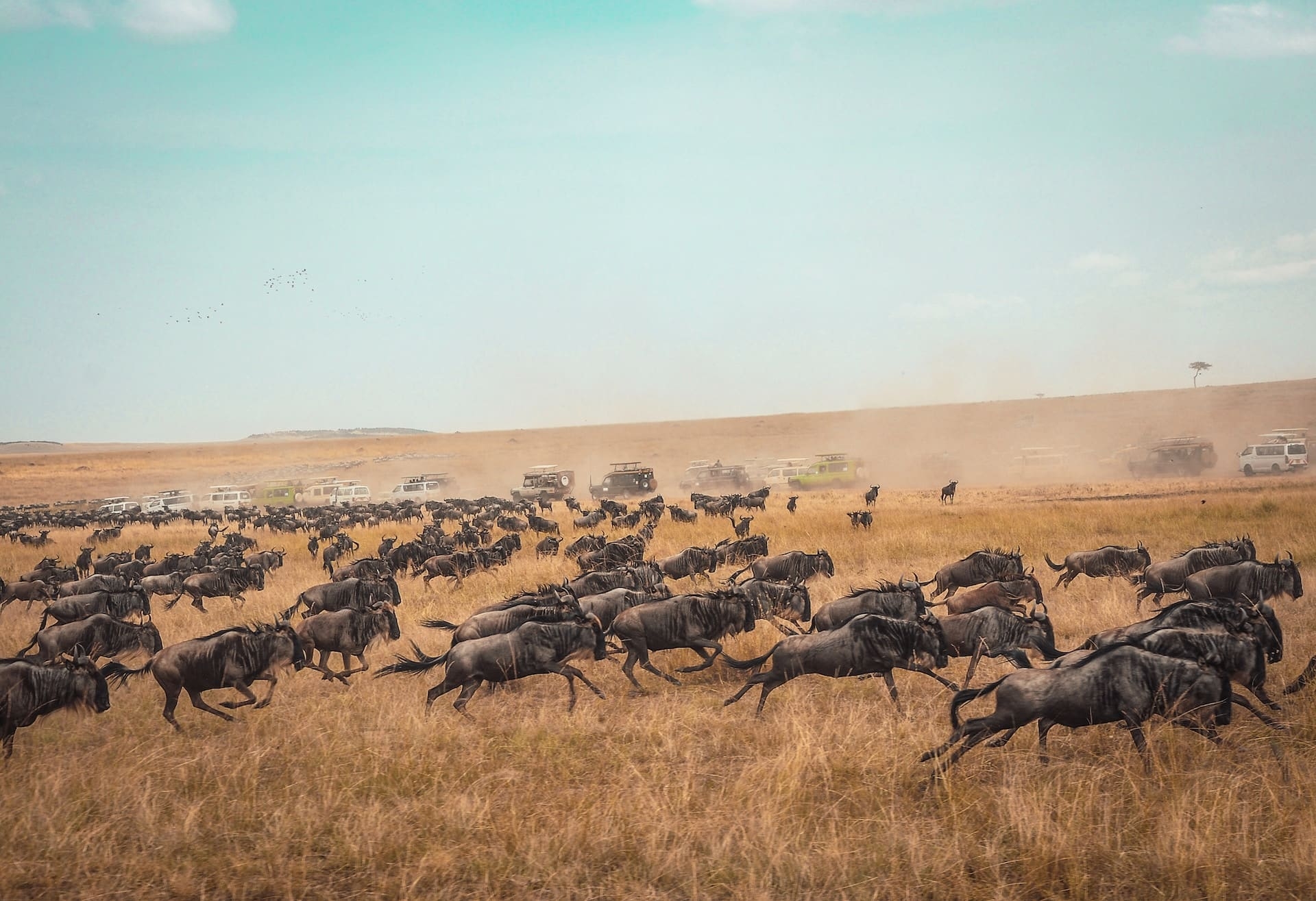
The Great Wildebeest Migration is one of the most famous wildlife spectacles in Africa and a major reason many travellers choose Tanzania. Each year, millions of wildebeest, accompanied by large numbers of zebras and gazelles, move through the Serengeti-Mara ecosystem in search of fresh grazing and water. The migration follows seasonal rainfall and grass availability, meaning the herds do not remain in one place throughout the year.
The cost of a migration safari depends on where the herds are expected to be during your travel dates and the type of accommodation you choose. A safari focusing on the southern Serengeti and Ndutu during the calving season may require a different route and lodge selection from one targeting the western or northern Serengeti during the river-crossing period. Camps positioned close to important migration areas often charge premium rates, particularly when demand is high.
Travellers planning to see the migration should therefore allow some flexibility in their itinerary and book suitable accommodation well in advance. It is important to understand that river crossings cannot be guaranteed, even when visiting the northern Serengeti during the commonly recommended months. Wildlife movements are natural and depend on rainfall, grazing conditions and herd behaviour. A well-planned migration safari should focus on the wider wildlife experience rather than relying entirely on witnessing a particular crossing.
How Much Does a Tanzania Safari and Zanzibar Holiday Cost?
Combining a Tanzania safari with a beach holiday in Zanzibar is an excellent way to experience two different sides of the country. After exploring the Serengeti, Ngorongoro and Tarangire, travellers can fly to Zanzibar to enjoy white-sand beaches, turquoise waters, historic Stone Town and Indian Ocean activities. This combination is particularly popular with couples, honeymooners and visitors who want to balance wildlife adventures with relaxation.
The overall cost depends on the length of the safari, the selected accommodation in Zanzibar, domestic flights and the activities included. A mid-range safari followed by a comfortable beach stay can offer good value, while luxury lodges and exclusive beachfront resorts will increase the total. Travellers should also consider transfer arrangements between safari airstrips, Arusha or other departure points and Zanzibar, as flight schedules and baggage allowances can influence the itinerary.
A seven-day Tanzania safari followed by three or four nights in Zanzibar is a popular starting point for a ten- or eleven-day holiday. Those with more time may choose a longer safari or extend their beach stay. It is advisable to plan the flights and accommodation together so that the connections are convenient and the overall travel schedule is not unnecessarily rushed.
What is Usually Included in a Tanzania Safari Package?
Most organised Tanzania safari packages combine several essential services into one quotation, making it easier for travellers to plan their holiday. However, the exact inclusions vary between operators and accommodation categories. Before confirming a safari, it is important to request a detailed breakdown rather than assuming that every advertised package covers the same services.
A typical organised safari package may include:
-
Accommodation throughout the safari.
-
Meals according to the agreed meal plan, commonly full board during the safari.
-
A private or shared 4×4 safari vehicle, depending on the package.
-
Services of a professional English-speaking driver-guide.
-
Fuel and road transport during the itinerary.
-
National park entrance and applicable conservation fees.
-
Game drives within the selected national parks.
-
Ngorongoro Crater descent arrangements where included in the itinerary.
-
Government taxes and applicable tourism charges.
-
Drinking water in the safari vehicle, depending on the operator.
Luxury packages may include additional services such as selected beverages, laundry, private transfers, premium activities and internal flights. Budget camping packages may include tents, sleeping equipment and camping meals. Always check the quotation to establish which services are included and whether any activities require separate payment.
What is Not Usually Included in a Tanzania Safari Cost?
Although many safari companies advertise their packages as all-inclusive, they normally exclude some expenses. You should consider these costs when preparing your travel budget to avoid unexpected payments during the holiday.
Common exclusions include:
-
International flights to and from Tanzania.
-
Tanzania visa fees, where applicable.
-
Travel and medical insurance.
-
Personal expenses such as souvenirs and additional purchases.
-
Tips and gratuities for the safari guide and lodge staff.
-
Alcoholic beverages and premium drinks where not included.
-
Optional activities such as hot air balloon safaris.
-
Additional hotel nights before or after the safari.
-
Laundry services where not included.
-
Domestic flights or transfers not specified in the itinerary.
Hot air balloon safaris over the Serengeti, for example, are generally charged separately and can add a substantial amount to the overall budget. Internal flights between safari destinations may also increase the price, particularly when travellers choose fly-in itineraries to reduce driving time. Always confirm the exclusions in writing before making a deposit.

How Can You Reduce the Cost of a Tanzania Safari?
A Tanzania safari does not necessarily have to be extremely expensive. With careful planning, travellers can enjoy excellent wildlife experiences while managing their overall expenditure. The most effective approach is to select destinations, accommodation and travel dates according to your priorities rather than trying to include every famous park in one itinerary.
Travel during Low Season: Accommodation prices may be lower during parts of the green season or shoulder periods, although savings vary between lodges and parks. Travelling outside the busiest dates can also provide more accommodation choices and a quieter safari experience.
Travel with a group: Sharing a private safari vehicle with family or friends can reduce the per-person cost of transport and guiding. A group of four or six travellers may pay less per person than a couple using the same vehicle, although you must still consider room arrangements and park-specific fees.
Choose accommodation carefully: You do not necessarily need to stay in the most expensive lodges to enjoy a memorable safari. Comfortable mid-range lodges and tented camps can provide excellent facilities, convenient locations and good access to wildlife-viewing areas. In some cases, staying outside a protected area can reduce accommodation-related charges, although longer transfer times may offset part of the saving.
How Can You Reduce the Cost of a Tanzania Safari?
Focus on fewer destinations: Visiting several national parks over a short period can increase transport expenses and park fees while leaving limited time for wildlife viewing. A more focused itinerary allows you to spend additional time in each destination and avoid unnecessary transfers. For example, a well-planned Tarangire, Serengeti and Ngorongoro safari can offer an excellent introduction to northern Tanzania without trying to cover too many parks.
Book early during popular seasons: Early planning gives you more accommodation choices, particularly in the Serengeti during migration periods. It can also make it easier to coordinate flights, lodges and special activities before availability becomes limited.
Compare quotations carefully: Request detailed itineraries and check the accommodation, vehicle, park fees, meals and activities included. A significantly cheaper quotation may use different accommodation, a shared vehicle or a less convenient route. Comparing services rather than price alone helps you understand the actual value of each package.

Is Tanzania an Expensive Safari Destination?
Tanzania is often considered one of East Africa’s more expensive safari destinations, particularly when visiting the Serengeti and Ngorongoro. This is partly because of government conservation charges, accommodation costs, long distances between wildlife areas and the operational expenses associated with running safari vehicles and professional guiding services. The Great Wildebeest Migration also attracts strong demand during certain periods, increasing the price of accommodation in prime locations.
However, Tanzania offers safari options for different budgets. Travellers can choose shared camping safaris, comfortable mid-range lodge packages or exclusive luxury experiences. The key is to select an itinerary that matches your available time and budget while retaining the essential experiences you want from the holiday; A carefully planned five- or seven-day safari can provide an excellent wildlife experience without necessarily requiring the expense of a longer luxury itinerary.
Tanzania Safari Cost Compared with Kenya and Uganda
Travellers planning an East African holiday sometimes compare Tanzania with Kenya and Uganda before deciding where to go. Each country offers different wildlife experiences, accommodation options and safari costs, so the best choice depends on the type of holiday you want.
Tanzania is particularly famous for the Serengeti, Ngorongoro Crater, Tarangire and the Great Wildebeest Migration. Kenya offers excellent wildlife viewing in destinations such as the Maasai Mara, Amboseli and Tsavo, with opportunities to combine a safari with a coastal holiday in Mombasa or Diani; Uganda offers a different experience, combining savannah wildlife in parks such as Queen Elizabeth and Murchison Falls with mountain gorilla trekking in Bwindi and chimpanzee tracking in Kibale.
The cost of each destination depends on the parks visited, accommodation, travel season and activities included. Gorilla trekking in Uganda, for example, introduces a separate permit cost that does not apply to a conventional savannah game drive. Tanzania’s northern circuit, meanwhile, can have substantial park and conservation fees, particularly for longer Serengeti and Ngorongoro itineraries. Rather than assuming one country is always cheaper, travellers should compare similar itineraries with equivalent accommodation, transport and inclusions.
FAQ’s About Tanzania Safari Costs
How much does a Tanzania safari cost for two people?
For two people sharing accommodation, a private mid-range Tanzania safari may cost approximately USD 450–800 per person per day. A seven-day trip would therefore have an indicative budget of USD 3,150–5,600 per person, depending on the itinerary and services included. Budget camping and luxury safaris can cost considerably less or more, respectively.
How much does a 5-day Tanzania safari cost?
A five-day safari may cost approximately USD 1,250–2,000 per person for budget camping, USD 2,250–4,000 for a mid-range lodge safari and USD 4,250–7,500 or more for luxury accommodation. These are indicative planning estimates rather than guaranteed package prices.
Is a Tanzania safari cheaper in the low season?
It can be. Some lodges and camps offer lower accommodation rates during less busy periods, particularly parts of the green season. However, park fees and other government charges may still apply, and savings depend on the destination, property and travel dates.
What is the cheapest way to go on a Tanzania safari?
Joining a shared group camping safari is generally among the most affordable ways to explore Tanzania’s major national parks. Travellers share the safari vehicle and other operational expenses, while staying in public campsites or simple accommodation. Choosing a focused itinerary and travelling during a less busy period can also help manage costs.
Is a private safari in Tanzania worth the extra cost?
A private safari is worth considering if you value privacy, flexible game drives and personalised guiding. It allows you to travel with your own companions rather than sharing a vehicle with other guests. This can be particularly beneficial for families, couples and wildlife photographers.
Are park fees included in Tanzania safari packages?
Most organised safari packages include the applicable park entrance fees and conservation charges, but you should always confirm this in the quotation. You should also clearly identify Ngorongoro Crater service fees, vehicle charges, camping fees and other applicable costs.
How much should I budget for tips in Tanzania?
Tipping is generally discretionary and depends on the quality of service, the length of the safari and your personal preference. Travellers should ask their operator for current guidance on customary tips for safari guides and lodge staff. It is also sensible to carry some cash for gratuities and small personal expenses.
Does a Tanzania safari include international flights?
International flights are usually excluded from safari packages unless specifically stated. Travellers should budget separately for flights to Tanzania, airport transfers not listed in the itinerary and any additional accommodation required before or after the safari.
How much does a Serengeti safari cost?
The cost of a Serengeti safari depends on the number of days, accommodation category, travel season and whether you choose a private or shared vehicle. Serengeti trips are often more expensive than short safaris focused on destinations closer to Arusha because of the longer distances and applicable conservation and accommodation charges.
Can I combine a Tanzania safari with Uganda gorilla trekking?
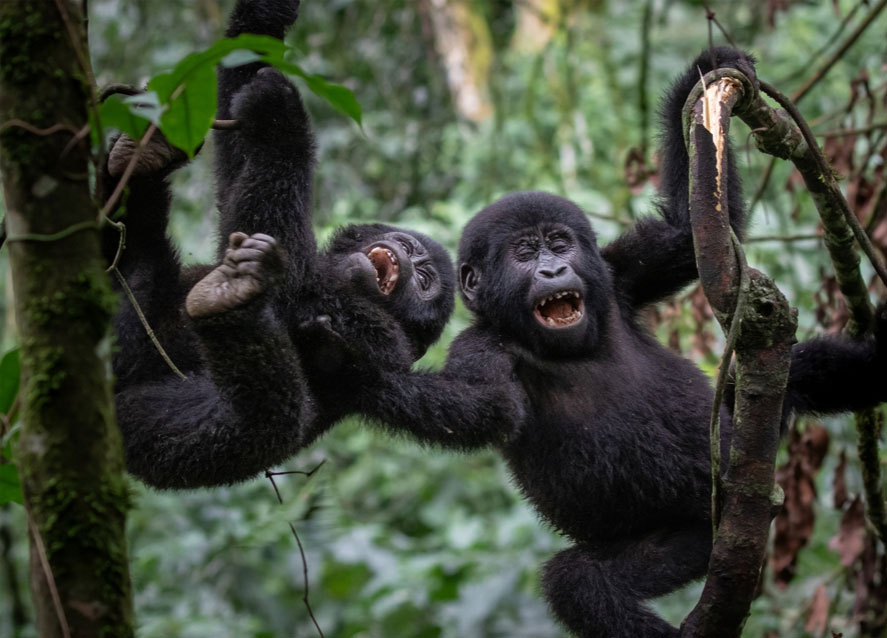
Yes. Travellers can combine Tanzania’s savannah wildlife experiences with gorilla trekking in Bwindi Impenetrable National Park in Uganda. A combined itinerary may include Serengeti, Ngorongoro and Tarangire before continuing to Uganda for gorilla trekking, chimpanzee tracking and additional wildlife experiences. Regional flights and ground transfers should be planned carefully to make the journey comfortable.
Plan Your Tanzania Safari with Arcadia Safaris
The cost of a Tanzania safari depends on the kind of experience you want, the destinations you plan to visit and the level of comfort you prefer. Whether you are considering a budget camping adventure, a comfortable mid-range lodge safari or an exclusive luxury holiday, Tanzania offers remarkable opportunities to explore Africa’s wildlife and spectacular landscapes. From the vast plains of Serengeti National Park and the wildlife-rich Ngorongoro Crater to the elephant herds of Tarangire and the beaches of Zanzibar, a well-planned itinerary can create an unforgettable East African holiday.
At Arcadia Safaris, we organise private, tailor-made safaris across Tanzania, Uganda, Rwanda and Kenya, with itineraries designed around your travel dates, interests, accommodation preferences and budget. Our Tanzania safaris can include a private 4×4 Toyota Land Cruiser, an experienced English-speaking driver-guide, full-board meals, bottled drinking water and carefully selected accommodation, according to the package agreed. We also help travellers combine Tanzania with Uganda gorilla trekking, chimpanzee tracking and other East African wildlife experiences.
Whether you are planning a short Serengeti and Ngorongoro safari, a seven-day northern Tanzania wildlife adventure, a Great Wildebeest Migration experience or a longer East African holiday, we would delight in helping you create a safari that offers excellent value and memorable experiences. Contact Arcadia Safaris through info@arcadiasafaris.com or via WhatsApp to request a personalised Tanzania safari quotation and start planning your journey through the wild landscapes of East Africa.