
Where to See Elephants in Kenya: 10 Best National Parks and Safari Destinations
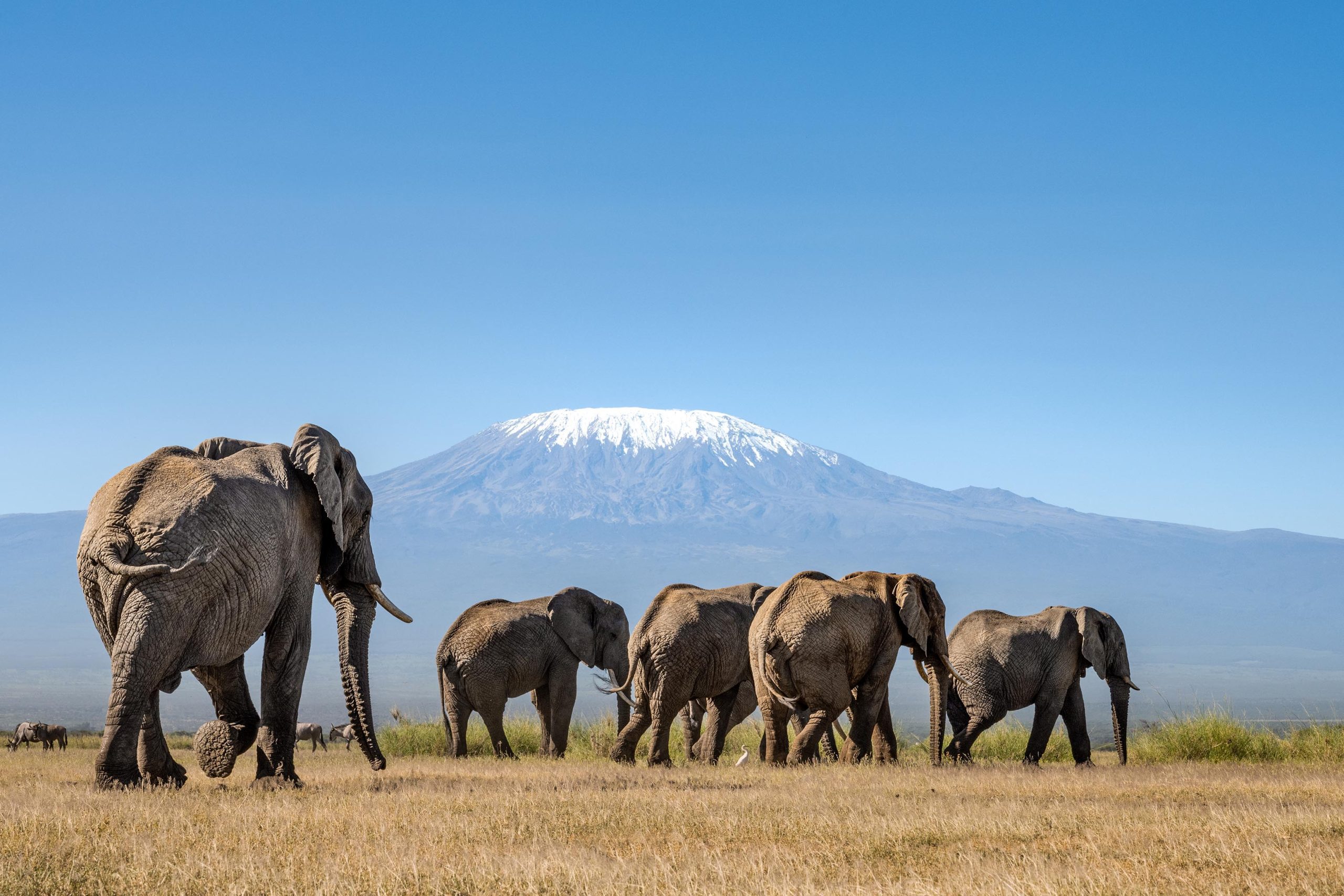
Kenya is one of Africa’s finest destinations for seeing wild African elephants in their natural habitat. From the enormous herds of Amboseli National Park, often photographed against the snow-capped peak of Mount Kilimanjaro, to the famous red elephants of Tsavo and the riverine landscapes of Samburu, the country offers remarkable opportunities to observe these intelligent and socially complex animals. Elephants are found across several Kenyan ecosystems, including open savannahs, woodlands, river valleys, forests and community-managed conservancies, making an elephant safari an excellent way to explore the country’s diverse landscapes and wildlife.
Kenya’s elephant population has also benefited from decades of conservation work, although the species continues to face challenges associated with habitat fragmentation, human-elephant conflict, drought and the loss of traditional movement corridors. The Kenya Wildlife Research and Training Institute’s national wildlife census recorded approximately 41,952 elephants in 2024–2025, compared with 36,280 in 2021. These figures highlight the importance of continued conservation initiatives and responsible tourism in protecting Kenya’s elephant populations. Whether you are planning a dedicated elephant safari or a wider Kenya wildlife adventure, the following destinations offer some of the best opportunities to encounter elephants in the wild.
1. Amboseli National Park – The Best Place to See Large Elephant Herds
Amboseli National Park is arguably the most iconic destination for elephant viewing in Kenya and one of the best places in Africa to photograph large elephant herds. Located in Kajiado County in southern Kenya, close to the Tanzania border, the park is particularly famous for its impressive elephant populations and spectacular views of Mount Kilimanjaro, Africa’s highest mountain at 5,895 metres. Its open plains, seasonal wetlands and permanent swamps create an excellent habitat for elephants, with underground water flowing from the Kilimanjaro region sustaining the park’s swamp ecosystems even during dry periods. These water sources attract elephants throughout the year, providing visitors with opportunities to observe family groups drinking, bathing, feeding and moving across the plains.
Amboseli’s elephants are especially interesting because researchers have studied their social behaviour and family structures for decades. The Amboseli Elephant Research Project has contributed significantly to scientific understanding of elephant communication, intelligence, family relationships and long-term social dynamics. Visitors may encounter large matriarchal family groups led by experienced older females, accompanied by younger elephants and calves. Beyond elephants, Amboseli supports lions, cheetahs, spotted hyenas, giraffes, zebras, wildebeest, buffalo and a rich variety of birdlife. Observation Hill provides an excellent panoramic viewpoint over the surrounding wetlands and plains, while cultural visits to nearby Maasai communities can add another dimension to a safari. The dry months of June to October and January to February generally offer good wildlife-viewing conditions, although clear views of Mount Kilimanjaro are never guaranteed because clouds can obscure the summit, particularly later in the day.
2. Tsavo East National Park – Home of the Famous Red Elephants
Tsavo East National Park is one of Kenya’s most important elephant conservation areas and forms part of the enormous Tsavo ecosystem, which extends across a substantial area of southeastern Kenya. Covering approximately 13,747 square kilometres, Tsavo East is the larger of Kenya’s two Tsavo national parks and is known for its expansive semi-arid landscapes, open savannahs, scattered woodlands and dramatic river systems. The park is particularly famous for its red elephants, whose distinctive appearance has become one of Kenya’s most recognisable wildlife images. These elephants are not a separate species or subspecies; they are ordinary African bush elephants whose grey skin becomes coated with the park’s reddish, iron-rich soil as they dust-bathe to protect themselves from the sun and insects.
The Galana River is one of Tsavo East’s most important water sources, attracting elephants and other wildlife, especially during drier periods. Other notable features include the Yatta Plateau, one of the world’s longest lava flows, and Aruba Dam, which provides an important water source for animals. During a game drive, visitors may encounter elephants alongside lions, leopards, cheetahs, buffalo, giraffes, zebras, lesser kudu and numerous bird species. Tsavo East is also strategically located for travellers connecting Nairobi with Kenya’s coastal destinations, including Mombasa, Watamu and Diani Beach. This makes it an excellent choice for visitors who want to combine an authentic wilderness experience with a coastal holiday, while its vast size and relatively open landscapes provide a different elephant-viewing experience from the more concentrated herds of Amboseli.
3. Tsavo West National Park – Elephants in a Dramatic Volcanic Landscape
Tsavo West National Park offers a striking contrast to the open plains of Tsavo East, with rugged volcanic hills, rocky outcrops, savannah grasslands, woodland and natural springs creating a more varied landscape. Elephants are regularly encountered around water sources and in woodland areas, although the thicker vegetation and uneven terrain can sometimes make sightings less predictable. One of the park’s most remarkable natural attractions is Mzima Springs, where groundwater filtered through volcanic rocks from the Chyulu Hills region emerges into a series of clear pools. The springs support hippos, fish and other aquatic life, and an underwater viewing chamber offers visitors a distinctive opportunity to observe some of this ecosystem’s inhabitants.
Tsavo West also protects important wildlife habitats and conservation areas, including the Ngulia Rhino Sanctuary, which provides protection for endangered black rhinos. Other attractions include the Shetani Lava Flow, a vast expanse of dark volcanic rock, and Lake Jipe, a scenic lake shared by Kenya and Tanzania that supports waterbirds and other wildlife. Game drives may reveal elephants, lions, leopards, buffalo, giraffes, zebras and a variety of antelope species. For travellers interested in exploring the wider Tsavo ecosystem, combining Tsavo West with Tsavo East creates a rewarding safari that showcases two contrasting landscapes and offers excellent opportunities to see elephants in different habitats.
4. Samburu National Reserve – Elephants Along the Ewaso Nyiro River
Samburu National Reserve is one of northern Kenya’s most rewarding wildlife destinations, particularly for travellers interested in elephant behaviour, conservation research and distinctive dry-country wildlife. Located in Samburu County, the reserve is characterised by semi-arid landscapes, rocky hills, open plains and riverine woodland. The Ewaso Nyiro River is the reserve’s lifeline, providing a dependable water source in an otherwise dry environment. Elephants frequently gather along its banks to drink, bathe, feed and interact, making the river one of the best places to observe their daily activities. The surrounding vegetation also provides important feeding grounds, while the changing river conditions influence how elephants move through the reserve.
Samburu is particularly significant for elephant research because the area has been studied extensively by Save the Elephants, an internationally recognised conservation organisation headquartered in the region. Over several decades, researchers have individually identified and monitored more than 900 elephants using protected areas along the Ewaso Nyiro River system, contributing valuable knowledge about their movements, family relationships and responses to environmental changes. In addition to elephants, Samburu is famous for the Samburu Special Five: Grevy’s zebra, reticulated giraffe, Somali ostrich, gerenuk and beisa oryx. Visitors may also see lions, leopards, cheetahs, buffalo, crocodiles and numerous bird species. Samburu can be combined with nearby Buffalo Springs and Shaba National Reserves, creating an excellent northern Kenya safari circuit for travellers seeking a less conventional wildlife experience, exceptional photography and opportunities to learn more about elephant conservation.
5. Meru National Park – Elephants in a Diverse Wilderness
Meru National Park is a beautiful and relatively less-visited safari destination in eastern Kenya, offering a combination of riverine forests, grasslands, woodlands, swamps and open savannah. Located east of Mount Kenya, the park is crossed by several rivers, including the Tana, Rojewero, Murera and Ura, which sustain its wildlife populations and create important habitats for elephants. These rivers and their surrounding vegetation provide water, shade and feeding opportunities, particularly during dry periods, when elephants may be seen moving between riverbanks and woodland areas. Meru’s varied landscapes also make it an attractive destination for travellers who want to explore a quieter and more diverse wilderness away from some of Kenya’s busier safari circuits.
The park is also associated with the conservation story of Elsa the lioness, whose life with naturalists Joy and George Adamson inspired the famous book and film Born Free. Meru has an established conservation history and includes the Meru Rhino Sanctuary, which protects endangered black and white rhinos. Other wildlife found in the park includes lions, leopards, cheetahs, buffalo, giraffes, zebras, hippos, crocodiles and numerous antelope species. Because Meru is less frequently visited than some of Kenya’s better-known national parks, it can provide a more secluded safari atmosphere, particularly for visitors with additional time to explore the country. It is an excellent option for a longer Kenya itinerary that combines elephants, diverse wildlife, scenic landscapes and conservation experiences.
6. Laikipia Conservancies – Private Elephant Safaris and Conservation Experiences
Laikipia is not a single national park but a remarkable collection of private ranches, community conservancies and protected areas located in central Kenya, north of Mount Kenya. The region has become one of the country’s leading conservation landscapes, providing important habitats and movement corridors for elephants, rhinos and other wildlife. Unlike conventional national parks, many Laikipia conservancies offer controlled visitor numbers, exclusive accommodation and guided safari activities that can provide a more personalised wildlife experience. Elephants move through different parts of the region in response to water availability, food and seasonal conditions, making Laikipia particularly interesting for travellers who want to understand the relationship between wildlife conservation, local communities and sustainable tourism.
Ol Pejeta Conservancy, near Nanyuki between the Aberdare Range and Mount Kenya, is among the region’s most recognised conservation destinations. It is particularly famous for its rhino conservation programmes and also supports elephants, lions, leopards, buffalo, giraffes and other wildlife across grasslands, acacia woodlands and riverine habitats. Lewa Wildlife Conservancy is another important destination, combining elephant habitats with internationally recognised rhino conservation and community-led conservation initiatives. Loisaba Conservancy, with its open savannahs, rocky landscapes and river systems, offers opportunities to explore Laikipia’s wildlife through guided game drives and, depending on the lodge and activity arrangements, guided walks and other experiences. Laikipia is especially suitable for travellers interested in private conservancy safaris, conservation education, rhino protection and a more exclusive approach to elephant viewing.
7. Maasai Mara National Reserve – Elephants in Kenya’s Famous Savannah
The Maasai Mara National Reserve, located in Narok County in southwestern Kenya, is internationally celebrated for its abundant wildlife and the annual Great Migration. Although the reserve is most famous for its large populations of lions, cheetahs, leopards, wildebeest and zebras, it is also an excellent destination for seeing African elephants. Elephants inhabit the Mara’s open grasslands, woodland areas and riverine forests, where they feed on vegetation, move between water sources and interact in family groups. Their presence adds another important dimension to the reserve’s remarkable wildlife diversity, and visitors may encounter them during game drives across different parts of the ecosystem.
The Maasai Mara forms part of the greater Mara-Serengeti ecosystem, which extends south into Tanzania’s Serengeti National Park. Between approximately July and October, the Kenyan side of the ecosystem is particularly famous for the wildebeest migration, although the precise timing and location of the herds vary from year to year. Visitors can combine elephant viewing with opportunities to see other members of the Big Five and a wide range of plains wildlife. It is also important to understand the difference between the main national reserve and the surrounding private conservancies, as access rules, visitor numbers, accommodation arrangements and permitted activities can differ. For travellers seeking a classic African safari with elephants, predators and dramatic savannah scenery, the Maasai Mara remains one of Kenya’s most rewarding destinations.
8. Nairobi National Park and the Sheldrick Wildlife Trust Elephant Nursery
Nairobi National Park offers a unique wildlife experience because it is located immediately outside Kenya’s capital city, making it possible to enjoy a game drive without travelling far from the urban centre. Established in 1946, it was Kenya’s first national park and protects a valuable wildlife habitat against the backdrop of Nairobi’s modern skyline. The park is particularly well known for its black and white rhinos, lions, giraffes, buffalo, zebras and other plains wildlife. However, unlike several of Kenya’s other major wildlife destinations, Nairobi National Park does not have a resident free-ranging elephant population, so visitors should not choose it as their primary destination for seeing wild elephants.
Elephant lovers can nevertheless visit the nearby Sheldrick Wildlife Trust Nairobi nursery, a separate elephant rescue and rehabilitation facility that cares for orphaned elephants and prepares them for eventual reintegration into the wild. The nursery has played an important role in rescuing young elephants affected by poaching, human-wildlife conflict and other threats. Visitors may have opportunities to observe the young elephants during scheduled public viewing sessions, subject to the organisation’s booking and access arrangements. Combining a Nairobi National Park game drive with a visit to the nursery can therefore provide an interesting introduction to Kenya’s wildlife and elephant conservation efforts, particularly for travellers arriving in the country or spending a short time in the capital.
9. Shimba Hills National Reserve and Mwaluganje Elephant Sanctuary
Shimba Hills National Reserve, located in Kwale County south of Mombasa and inland from Diani Beach, is one of Kenya’s most distinctive coastal wildlife destinations. Its landscape combines rolling hills, coastal forests, grasslands and thick vegetation, creating a habitat that differs considerably from the open savannahs of Amboseli and Tsavo. The reserve supports elephants, sable antelope, buffalo, giraffes, bushbuck, monkeys and a variety of bird species. Elephants move through the forested and grassland areas in search of food and water, although the thicker vegetation can make sightings less predictable than in more open national parks. Shimba Hills is particularly attractive for travellers who want to include a nature and wildlife experience during a holiday along Kenya’s southern coast.
Nearby, Mwaluganje Elephant Sanctuary represents an important example of community-based elephant conservation. The sanctuary was established to protect elephant movement routes while addressing the challenges that arise when elephants and people share the same landscape. Community involvement and conservation initiatives help maintain important corridors and reduce human-elephant conflict, which is particularly significant in areas where agricultural activities and wildlife habitats overlap. Visiting Shimba Hills and the surrounding conservation landscape can therefore offer more than wildlife viewing; it also provides insight into the role local communities play in protecting elephants. The destination is especially suitable for travellers combining a coastal holiday in Diani or Mombasa with a short wildlife excursion.
10. Aberdare National Park – Forest Elephants in Kenya’s Central Highlands
Aberdare National Park offers a completely different elephant-viewing experience, protecting montane forests, bamboo zones, moorlands, waterfalls and rugged mountain landscapes in Kenya’s central highlands. Located within the Aberdare Range, the park provides habitat for forest-dwelling elephant populations that move through dense vegetation in search of food, water and shelter. Unlike Amboseli and Tsavo, where elephants are often visible across open landscapes, sightings in Aberdare can be more challenging because of the thick forest cover. Nevertheless, the park is an important destination for travellers interested in Kenya’s highland ecosystems and the different habitats occupied by African elephants.
Aberdare is also home to buffalo, black rhinos, leopards, spotted hyenas, giant forest hogs and a wide variety of forest and highland bird species. One of its most historically famous attractions is Treetops Lodge, associated with the story of Princess Elizabeth, who was staying there in 1952 when she learned that her father, King George VI, had died and that she had become Queen Elizabeth II. The park’s forest lodges and waterhole viewing areas provide distinctive opportunities to observe wildlife, particularly at night and during periods when animals visit the water. Aberdare can be combined with Laikipia or the Mount Kenya region to create a rewarding central Kenya safari that includes forest wildlife, elephant habitats and highland scenery.
Which Is the Best Place to See Elephants in Kenya?
The best destination depends on the kind of elephant safari you want to experience. Amboseli National Park is the strongest choice for travellers hoping to see large elephant herds in relatively open landscapes, especially with Mount Kilimanjaro providing a spectacular photographic backdrop. Tsavo East is ideal for those interested in the famous red elephants and a vast wilderness environment, while Tsavo West adds volcanic landscapes, natural springs and more varied habitats. Samburu is particularly rewarding for visitors interested in elephant research, river-based wildlife viewing and northern Kenya’s distinctive species.
Laikipia is an excellent choice for private conservancy experiences and travellers interested in conservation, rhinos and community involvement, while the Maasai Mara is ideal for those who want to combine elephants with Kenya’s celebrated savannah wildlife and the Great Migration. Meru offers a quieter wilderness experience, Shimba Hills provides a coastal forest setting, and Aberdare introduces visitors to forest-dwelling elephants in the central highlands. Nairobi National Park is worth including for a short wildlife excursion, although the nearby Sheldrick Wildlife Trust nursery, rather than the park itself, is the relevant destination for seeing rescued orphaned elephants.
Best Time to See Elephants in Kenya
Elephants can be seen in Kenya throughout the year, but seasonal conditions influence where they gather and how easily visitors can observe them. The dry seasons, generally from June to October and January to February, are often favourable for wildlife viewing because vegetation becomes less dense and animals may concentrate around permanent rivers, springs and waterholes. These conditions can make elephants easier to locate, particularly in destinations such as Amboseli, Tsavo and Samburu. However, the exact timing and severity of dry conditions vary between regions, and wildlife movements are influenced by local rainfall patterns and the availability of food and water.
The wetter periods, generally from March to May and October to December, bring greener landscapes, seasonal water sources and renewed vegetation growth. Elephants may disperse across wider areas as water and food become more readily available, which can make sightings less predictable in some locations. These months can nevertheless offer beautiful scenery, excellent photography and fewer visitors in certain destinations, although heavy rainfall may affect road conditions and travel times. For the best overall experience, it is advisable to plan according to the specific parks and regions included in your itinerary rather than assuming that one season guarantees better elephant sightings everywhere.
Can You Combine a Kenya Elephant Safari with Gorilla Trekking in Uganda?
Yes. Combining a Kenya wildlife safari with gorilla trekking in Uganda is an excellent way to experience two of East Africa’s most remarkable wildlife encounters in one holiday. Kenya offers classic savannah safari experiences in destinations such as Amboseli, Tsavo and the Maasai Mara, where visitors can search for elephants, lions, giraffes, buffalo, zebras and other iconic African wildlife. Uganda adds a completely different experience, with mountain gorilla trekking in Bwindi Impenetrable National Park, chimpanzee tracking in Kibale Forest National Park and further wildlife viewing in Queen Elizabeth National Park.
A well-planned Kenya and Uganda itinerary can combine game drives and elephant viewing with guided forest activities and cultural experiences. Travellers may connect the two countries using regional flights or suitable overland arrangements, depending on their travel dates, preferred destinations and available flight schedules. Gorilla trekking permits in Uganda are limited and should be secured well in advance, particularly during popular travel periods. For visitors with additional time, Rwanda and Tanzania can also be incorporated into a wider East African safari covering several countries and ecosystems.
At Arcadia Safaris, we organise private, tailor-made East African safaris across Kenya, Uganda, Rwanda and Tanzania. Our trips are arranged around each traveller’s interests, available time, preferred accommodation level and budget, with a private 4×4 Toyota Landcruiser and an experienced English-speaking guide-driver. Whether you are interested in a dedicated Kenya elephant safari, a wider wildlife adventure or a combined Kenya and Uganda holiday featuring gorilla and chimpanzee trekking, we can help design a journey that suits your expectations.
Frequently Asked Questions About Seeing Elephants in Kenya
Which national park in Kenya has the most elephants?
The wider Tsavo ecosystem supports one of Kenya’s largest elephant populations because of its enormous protected landscape and connected habitats. Amboseli, however, is particularly famous for its large, well-studied elephant family groups and the excellent opportunities to observe them in relatively open surroundings. The best choice depends on whether you prioritise extensive wilderness, large visible herds or a particular type of safari experience.
Where can I see elephants with Mount Kilimanjaro in the background?
Amboseli National Park is the best-known destination for photographing elephants with Mount Kilimanjaro in the background. The park’s open plains and wetlands provide excellent viewing opportunities, although cloud cover can sometimes obscure the mountain, especially later in the day.
Why are Tsavo elephants red?
Tsavo elephants are naturally grey African bush elephants whose skin becomes coated with reddish dust from the park’s iron-rich soil. Dust-bathing helps protect their skin from the sun and insects, giving them their distinctive red appearance.
Can you see elephants in the Maasai Mara?
Yes. The Maasai Mara supports resident elephant populations, and visitors may encounter them in open grasslands, woodland and riverine habitats during game drives. The reserve is particularly rewarding for travellers who want to combine elephant viewing with the Big Five and the Great Migration.
Are there elephants in Nairobi National Park?
Nairobi National Park does not have a resident free-ranging elephant population. However, visitors to Nairobi can visit the nearby Sheldrick Wildlife Trust elephant nursery, which rescues and rehabilitates orphaned elephants, subject to its booking and visitor arrangements.
What is the best month to see elephants in Kenya?
The dry periods, generally June to October and January to February, often provide favourable wildlife-viewing conditions because vegetation is less dense and animals may gather around permanent water sources. However, elephants can be seen throughout the year, and the best period depends on the destination and seasonal conditions.
Can I see the Big Five during an elephant safari in Kenya?
Yes. Destinations such as Amboseli, Tsavo and the Maasai Mara support elephants alongside several other members of the Big Five. Rhino sightings are possible in specific protected areas and conservancies, including Ol Pejeta, Lewa and the Ngulia Rhino Sanctuary, although wildlife sightings can never be guaranteed.
How many days should I plan for a Kenya elephant safari?
Three to four days is a good starting point for exploring one destination, while seven to ten days allows you to combine several parks and conservancies. Longer trips provide additional flexibility for exploring different habitats and including destinations such as Amboseli, Tsavo, Samburu, Laikipia and the Maasai Mara.
Is Kenya suitable for a family elephant safari?
Yes. Kenya offers excellent family safari opportunities, with many lodges and camps providing family accommodation and activities suitable for different age groups. However, minimum age requirements may apply to certain activities, walking safaris and conservation experiences, so these should be checked when planning the itinerary.
Plan Your Kenya Elephant Safari with Arcadia Safaris
Kenya offers an exceptional variety of elephant-viewing destinations, from the open plains and famous herds of Amboseli to the red-earth wilderness of Tsavo, the riverine landscapes of Samburu and the private conservation areas of Laikipia. Each destination provides a different perspective on elephant behaviour, habitat and conservation, making it possible to design a safari around your interests, travel schedule and preferred level of comfort. Whether you want to focus on elephants or combine them with Kenya’s wider wildlife attractions, careful route planning can help you make the most of your time in the country.
Arcadia Safaris specialises in private, tailor-made safaris across East Africa, including Kenya, Uganda, Rwanda and Tanzania. We arrange personalised wildlife journeys with private 4×4 Toyota Landcruisers, experienced guide-drivers and carefully selected accommodation. We can also combine Kenya’s savannah wildlife with Uganda’s mountain gorillas and chimpanzees for a more comprehensive East African adventure. Email us at info@arcadiasafaris.com or via WhatsApp to start planning your safari in Kenya and discover the remarkable wildlife and landscapes of East Africa.