
Walking Safaris in Tanzania: Discover the African Wilderness on Foot
A walking safari in Tanzania offers a remarkable opportunity to experience the African wilderness from a different perspective. Instead of observing wildlife exclusively from a safari vehicle, you explore the natural environment on foot, accompanied by experienced guides and authorised park rangers. Every step brings a new discovery, from animal footprints and bird calls to ancient trees, medicinal plants and the fascinating details of the African bush. This slower approach allows you to appreciate the smaller elements of nature that you might easily overlook during a traditional game drive. Best Walking Safaris in Tanzania
Tanzania is one of outstanding safari destinations in East Africa, with vast national parks, diverse ecosystems and impressive wildlife populations. Although game drives remain the most popular way to explore its wilderness, walking safaris add a more personal and immersive dimension to the experience. You can follow animal tracks, learn how wildlife interacts with its surroundings and enjoy the sounds, scents and scenery of the bush without the constant movement of a vehicle. Whether you choose a short guided bush walk or a longer wilderness expedition, a walking safari can become one of the most memorable experiences of your Tanzania safari.
What Is a Walking Safari?
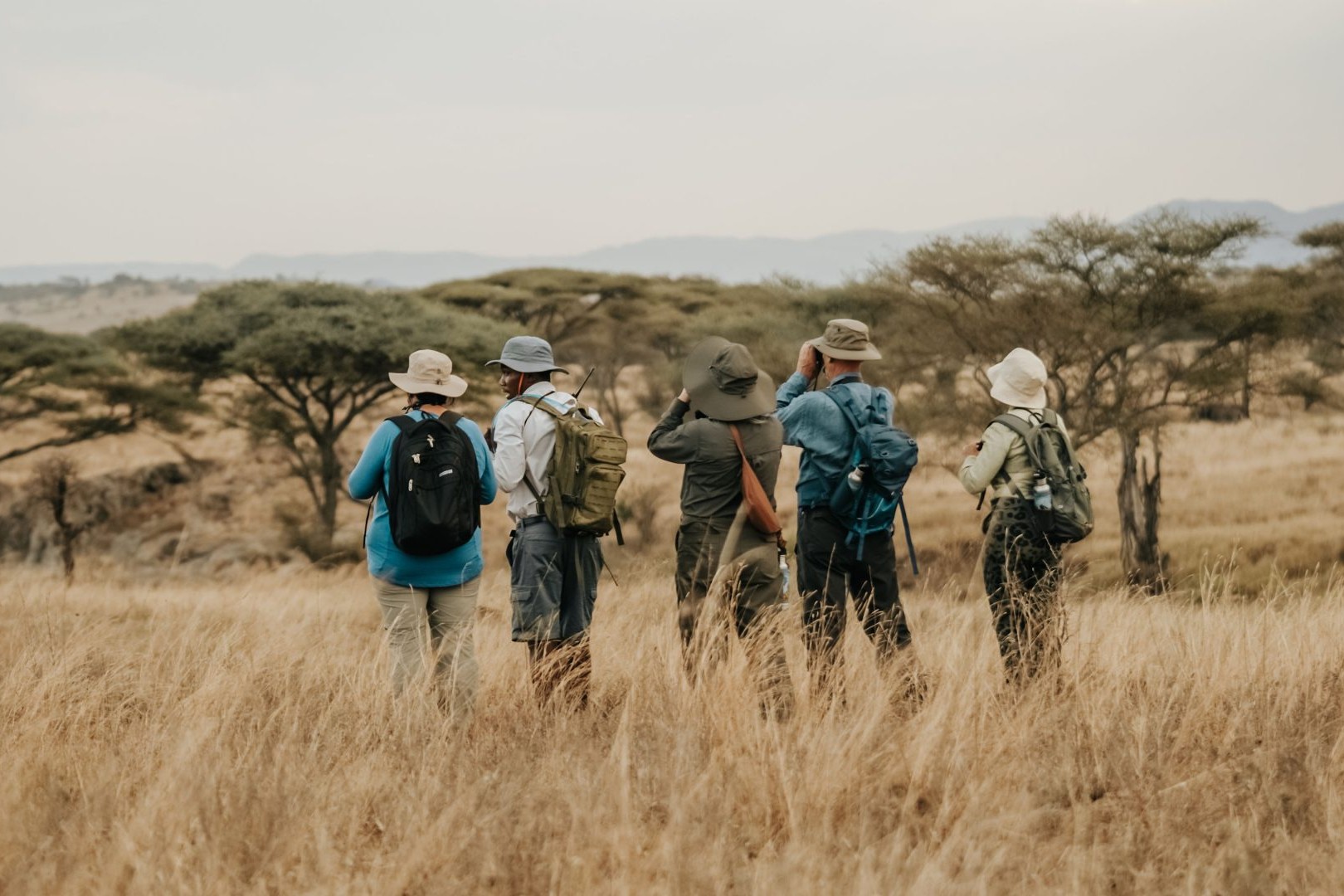
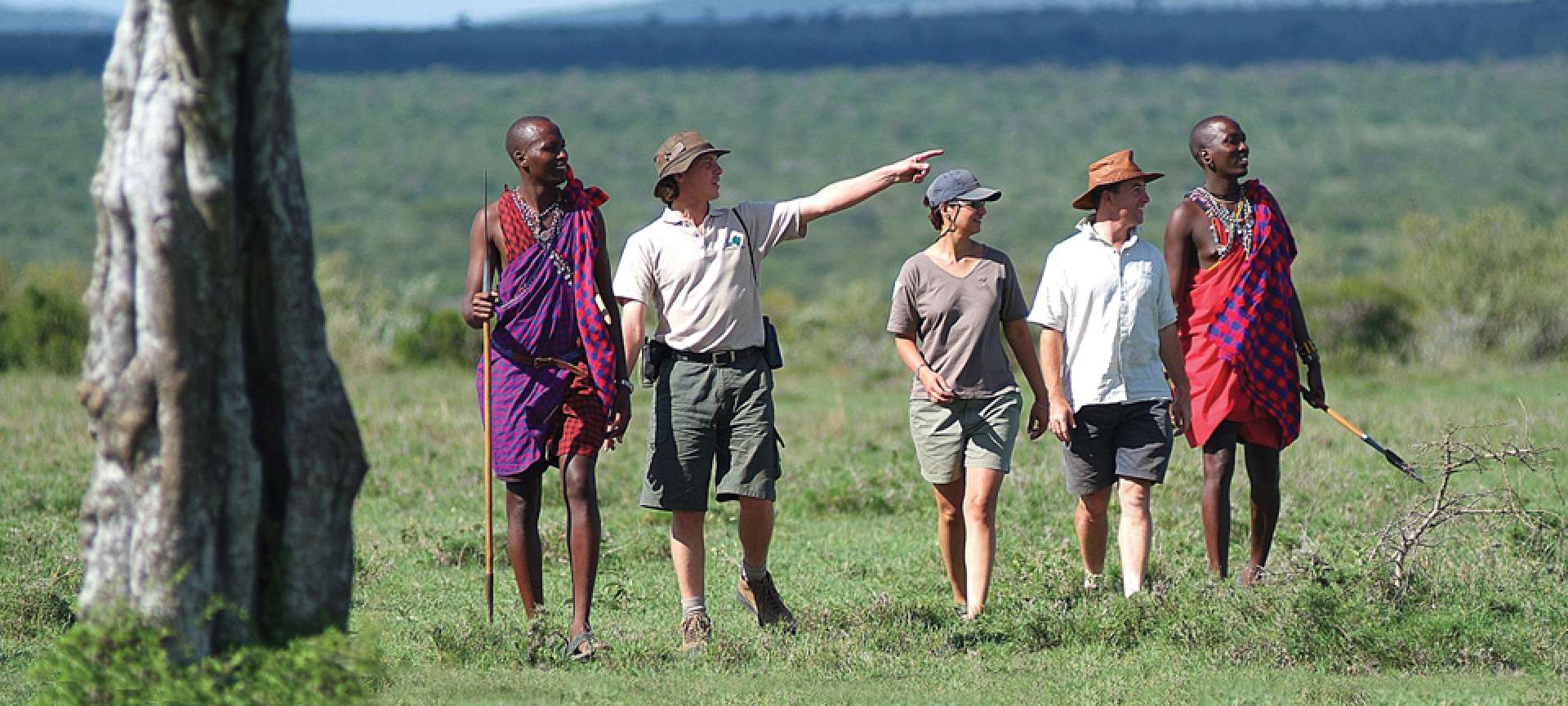
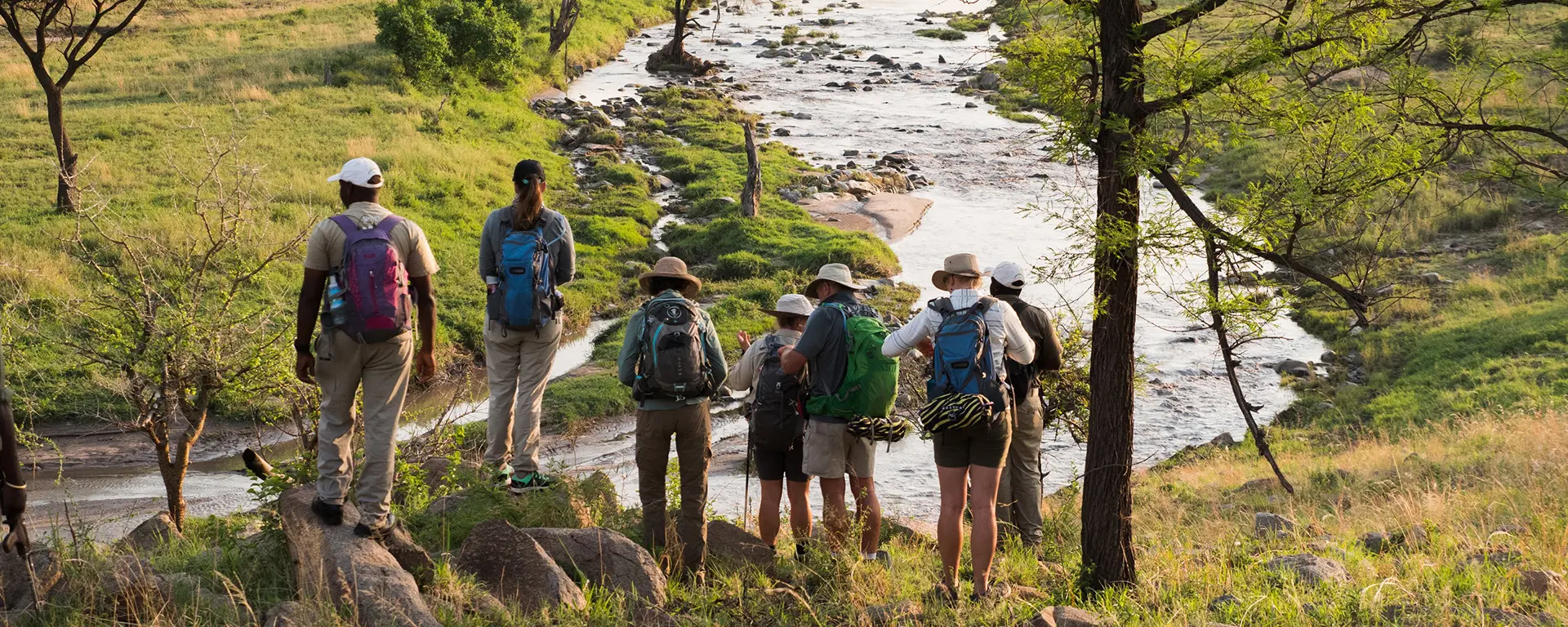
A walking safari is a guided wildlife experience that allows visitors to explore designated wilderness areas on foot rather than from a safari vehicle. A qualified guide leads the walk, and an authorised armed ranger accompanies participants where park regulations require one. The team selects suitable routes and manages the group’s movement while explaining the wildlife, vegetation and natural features encountered along the way. Walks may last a few hours, cover longer distances or form part of multi-day wilderness adventures.
Unlike traditional game drives, which often focus on finding large animals such as elephants, lions, giraffes and buffaloes, walking safaris encourage visitors to appreciate the entire ecosystem. You learn to recognise animal tracks, identify bird calls, understand insect behaviour and discover how plants support wildlife. Guides also explain how animals communicate, feed, move through their territories and respond to changes in their environment. Although you may encounter large mammals, the experience focuses on understanding nature rather than approaching dangerous animals.
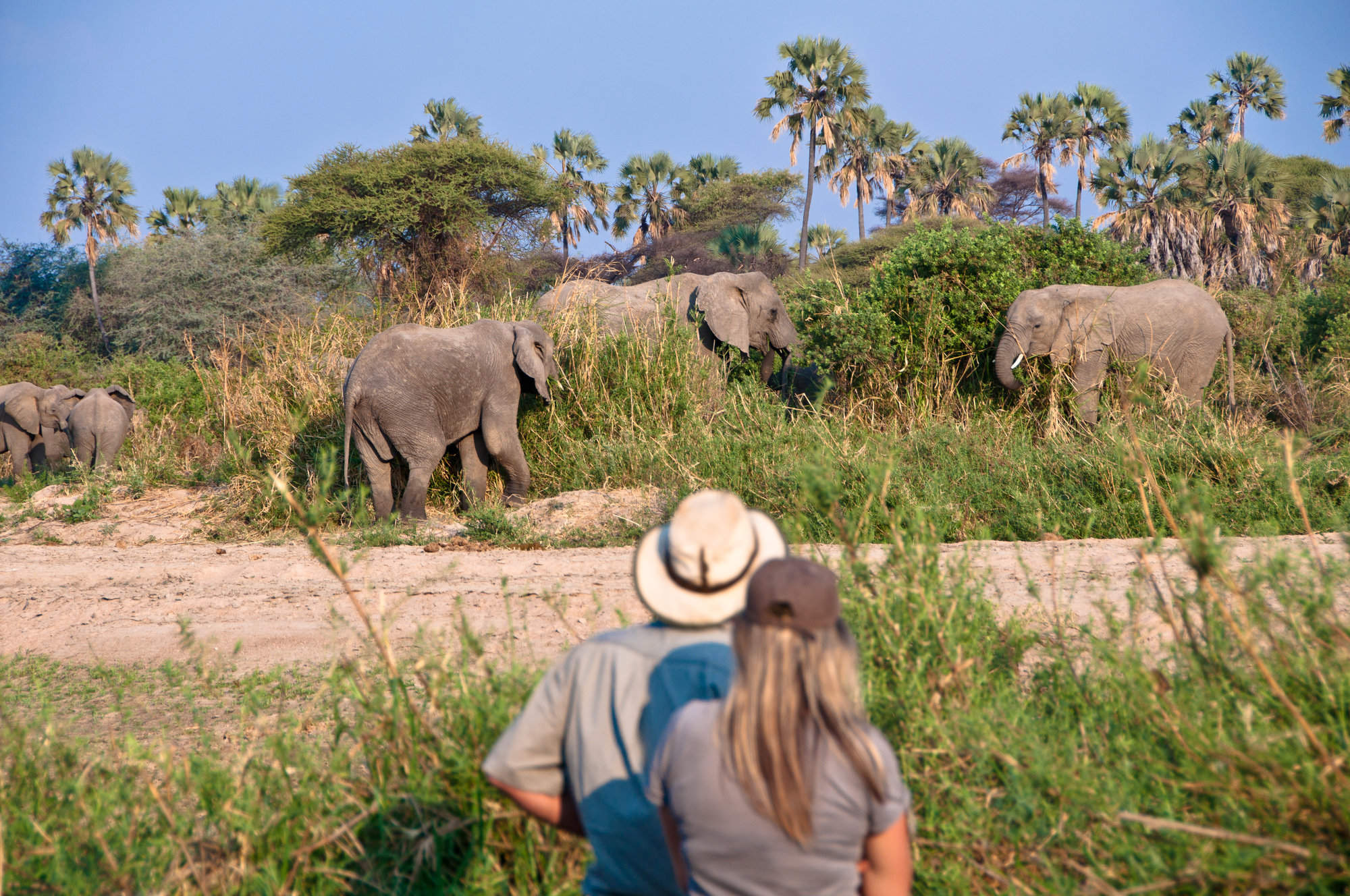
What to Expect During a Tanzania Walking Safari
Most guided walking safaris begin early in the morning, when temperatures remain comfortable and wildlife often shows greater activity. Depending on the location and the camp’s arrangements, some walks may also take place later in the afternoon. Before setting off, your guide explains the route, safety procedures and expected walking conditions. Participants normally walk in a small group and follow the guide’s instructions throughout the experience.
As you explore the bush, your guide interprets the landscape and points out details that you might not notice independently. You may examine elephant footprints, discover where animals have been feeding, identify bird species or learn how certain trees and plants survive in dry environments. You might also hear alarm calls from birds or monkeys, which can reveal the presence of other wildlife nearby. Every walk offers a different experience because animal movements, weather conditions and natural surroundings change from one day to another.
Best Places for Walking Safaris in Tanzania
Tanzania offers several national parks and conservation areas where visitors can enjoy guided walking experiences. However, walking opportunities differ between destinations, and some parks only permit walks in designated sections or through specific camps and operators. The best destination depends on whether you prefer classic African bush walks, remote wilderness experiences, scenic forest trails or cultural journeys through the highlands.
1. Nyerere National Park
Nyerere National Park, formerly part of the Selous Game Reserve, is one of Tanzania’s most rewarding destinations for walking safaris. Located in the country’s southern safari circuit, the park protects extensive wilderness areas characterised by woodland, open plains, grasslands, lakes and the remarkable Rufiji River system. Its diverse habitats support elephants, buffaloes, giraffes, zebras, hippos, crocodiles, wild dogs and numerous antelope species. The park’s remote atmosphere and varied landscapes create excellent conditions for visitors seeking a more immersive safari experience.
Guided walking safaris in Nyerere allow visitors to explore selected areas while learning about the relationships between wildlife, vegetation and the surrounding environment. You may discover elephant tracks along sandy riverbanks, observe smaller animals in the woodland or learn how different species use the river system. Some safari camps also organise longer walking experiences and fly-camping adventures, where guests explore the wilderness on foot and spend the night at a temporary bush camp. These experiences offer a deeper connection with nature and complement traditional game drives and boat safaris along the Rufiji River.
2. Ruaha National Park
Ruaha National Park is another exceptional destination for walking safaris in Tanzania, particularly for travellers interested in remote wilderness and varied wildlife habitats. Located in the southern part of the country, Ruaha features extensive savannahs, rocky hills, ancient baobab trees, woodland and seasonal rivers. The Great Ruaha River and its surrounding ecosystems attract elephants, buffaloes, giraffes, zebras, greater and lesser kudu, lions, leopards and other wildlife. Its relatively remote setting also makes it appealing to visitors who prefer quieter safari experiences.
Walking safaris in Ruaha offer opportunities to explore the bush at a slower pace and understand how animals survive in this semi-arid environment. Experienced guides interpret footprints, feeding signs and other clues while explaining the importance of the park’s vegetation and water sources. You may discover how elephants interact with baobab trees, identify antelope tracks or learn about the smaller creatures that contribute to the ecosystem. Walking arrangements depend on the camp, authorised routes and park regulations, so travellers should choose accommodation that specifically offers guided walking activities.
3. Tarangire National Park
Tarangire National Park is famous for its large elephant herds, ancient baobab trees and beautiful landscapes. Located in northern Tanzania, the park protects extensive savannah, woodland and seasonal wetlands that support elephants, giraffes, zebras, wildebeest, buffaloes, lions, leopards and numerous bird species. The Tarangire River serves as an important source of water during the dry season, attracting wildlife from surrounding areas. These natural features make the park an excellent destination for combining traditional game drives with a guided walking safari.
A walking safari in Tarangire introduces visitors to the details of this distinctive ecosystem. Accompanied by an authorised guide and ranger where required, you can explore designated areas, examine animal tracks and learn about the importance of baobab trees and other native vegetation. Guides may explain how elephants feed, how smaller mammals use the woodland and how birds respond to changes in the environment. Some walks take place within the national park, while others operate on neighbouring private or community-managed land under separate arrangements. Confirming the location and guiding requirements before booking helps ensure that the experience meets your expectations.
4. Arusha National Park
Arusha National Park offers one of the most accessible walking safari experiences in northern Tanzania. Located a short distance from Arusha town, the park contains montane forests, open grasslands, crater landscapes and the beautiful Momella Lakes. Mount Meru rises above the surrounding scenery, creating a dramatic backdrop for nature walks and wildlife viewing. The park supports giraffes, buffaloes, zebras, warthogs, waterbucks, blue monkeys and black-and-white colobus monkeys, alongside a rich variety of birdlife.
Guided walks in Arusha National Park allow visitors to explore the natural environment beyond the usual game-drive routes. You may walk through forested areas, enjoy views of the Momella Lakes or follow designated trails towards scenic features such as Tululusia Waterfall. The experience also provides opportunities to observe primates, identify birds and learn about the park’s vegetation. Arusha National Park is particularly suitable for travellers who want to introduce walking into a northern Tanzania safari without committing to a longer wilderness expedition.
5. Serengeti National Park
The Serengeti is internationally recognised for its immense wildlife populations and the Great Wildebeest Migration. Its sweeping plains, rocky kopjes, river systems and woodland habitats support lions, cheetahs, leopards, elephants, giraffes, buffaloes and countless grazing animals. Although visitors mainly explore the Serengeti through game drives, certain authorised areas and specialist camps also offer guided walking safaris. These activities provide a different way to appreciate the park’s landscapes and ecological diversity.
A walking safari in the Serengeti focuses on observing the smaller details of this famous ecosystem while enjoying its open wilderness scenery. Your guide may explain animal tracks, identify plants, interpret bird calls and describe how different species use the plains. Some specialist camps arrange longer walking experiences in designated wilderness zones, including routes that form part of multi-day adventures. However, walking is not automatically available from every Serengeti lodge, and visitors must use authorised arrangements and approved areas. If you want to include a bush walk in your Serengeti safari, select a camp or operator that can confirm the activity in advance.
6. Ngorongoro Conservation Area Highlands
The Ngorongoro Conservation Area offers a different kind of walking safari, combining spectacular highland scenery with cultural encounters and natural history. Unlike a national park, the conservation area supports both wildlife and human communities, including Maasai pastoralists. Its landscapes include volcanic craters, grasslands, forests and highland settlements. The Ngorongoro Crater itself is famous for its dense wildlife populations, but walking opportunities mainly take place along approved routes in the highlands and around selected crater areas.
Guided walks around places such as the Empakaai and Olmoti craters provide rewarding experiences for visitors who enjoy scenic landscapes and moderate hiking. At Empakaai, the trail descends towards a beautiful crater lake, where flamingos may gather depending on the season and conditions. The Olmoti area offers another opportunity to explore the highlands and enjoy views of the surrounding countryside. These walks generally involve an authorised ranger and may include a Maasai guide, depending on the route. Walking on the Ngorongoro Crater floor is not permitted, so visitors should distinguish between highland walks and the crater’s vehicle-based wildlife safaris.
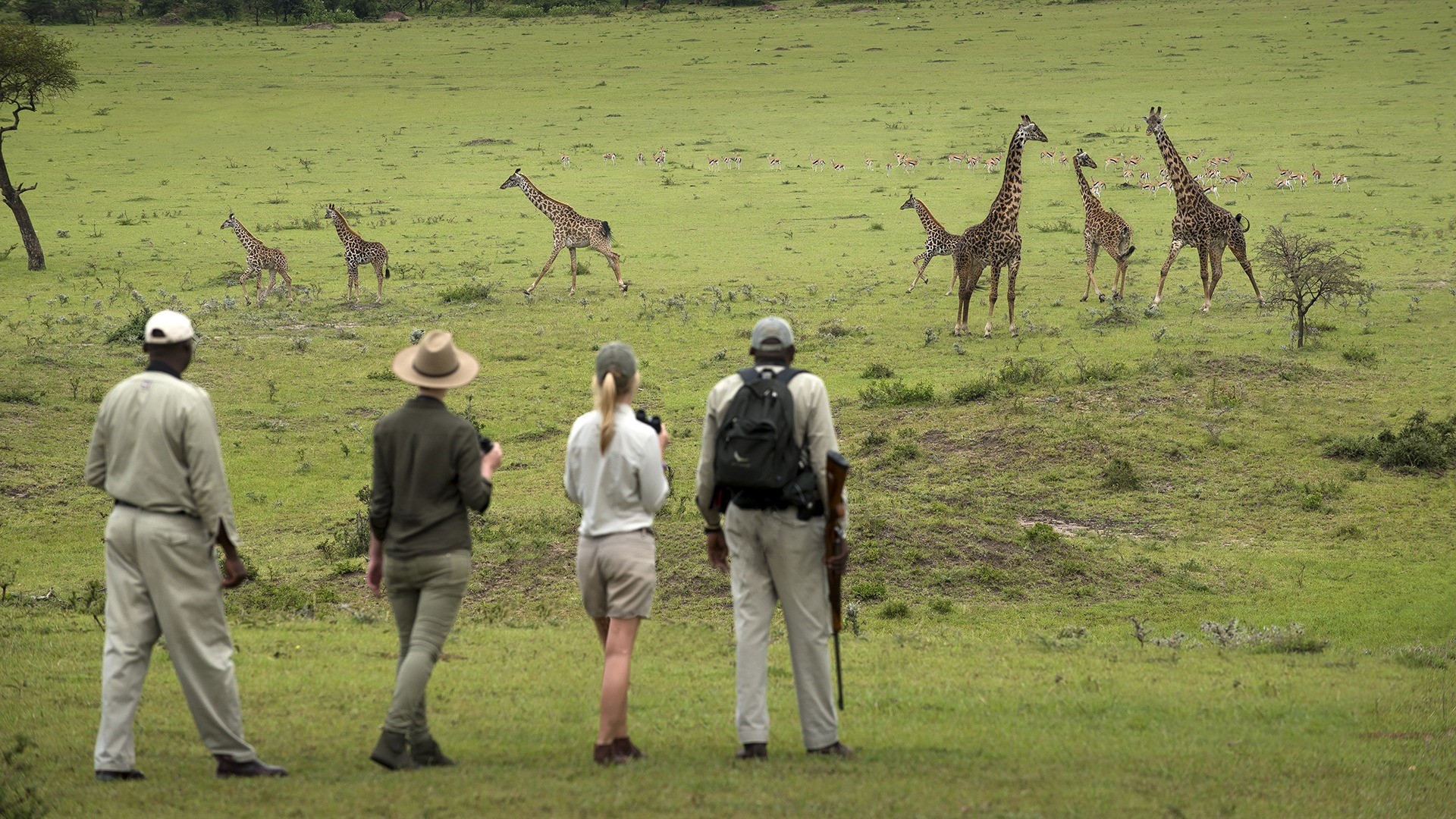
Wildlife and Nature You Can Discover on Foot
Walking safaris offer a different perspective on Tanzania’s wildlife because they encourage visitors to pay attention to details that are often difficult to appreciate from a vehicle. Large mammals remain an exciting part of the experience, but guides also introduce visitors to the smaller creatures and natural processes that keep the ecosystem functioning. Depending on the park, habitat and walking route, you may encounter giraffes, zebras, buffaloes, elephants and different antelope species at a safe distance. Your guide determines suitable viewing distances and directs the group away from situations that could create unnecessary risks.
The natural environment also provides plenty to discover beyond large mammals. You may observe colourful birds, butterflies, insects, reptiles, wildflowers and interesting tree species. Guides explain how plants adapt to seasonal changes, how insects contribute to pollination and how animal tracks reveal movement through the landscape. You can also learn to recognise droppings, feeding marks, nests and other signs of wildlife activity. These discoveries make a Tanzania walking safari especially rewarding for nature enthusiasts, birdwatchers, photographers and travellers who enjoy learning about the environment.
Walking Safaris and Multi-Day Fly-Camping Experiences
For travellers seeking a deeper wilderness adventure, some Tanzania safari camps offer multi-day walking safaris. These experiences involve exploring selected areas on foot over several days, with overnight stays at temporary camps established along the route. A support team may transport camping equipment, food and other supplies between locations, allowing guests to concentrate on the walking experience. Depending on the destination and operator, the adventure may include simple tented accommodation, bush meals and evenings spent under the African night sky.
Fly-camping offers a particularly immersive experience because it takes visitors away from the usual lodge environment and into more remote wilderness areas. After a day of walking, guests arrive at a prepared camp where they can relax, enjoy dinner and listen to the sounds of the surrounding bush. These adventures require suitable fitness, advance planning and careful coordination with authorised guides, rangers and camps. They are not available everywhere, so travellers should confirm the route, accommodation arrangements, walking distances and safety procedures before booking.
Are Walking Safaris in Tanzania Safe?
Walking safaris require more careful wildlife management than ordinary game drives because visitors leave the protection of a vehicle and enter the natural environment on foot. Tanzania’s national parks regulate these activities and require visitors to follow designated routes and authorised guiding arrangements. TANAPA’s general park guidance states that walking safaris must take place on designated trails and with an armed ranger. Guides and rangers assess the surroundings, monitor wildlife movements and determine the safest way to conduct each walk.
Visitors also play an important role in maintaining safety throughout the experience. Always follow the guide’s instructions, remain with the group and avoid sudden movements or unnecessary noise. Never approach, feed or attempt to photograph wild animals from an unsafe distance. If the guide asks the group to stop, remain quiet or change direction, follow the instructions immediately. Walking safaris can be rewarding experiences when visitors respect wildlife, observe park regulations and cooperate fully with their guides.
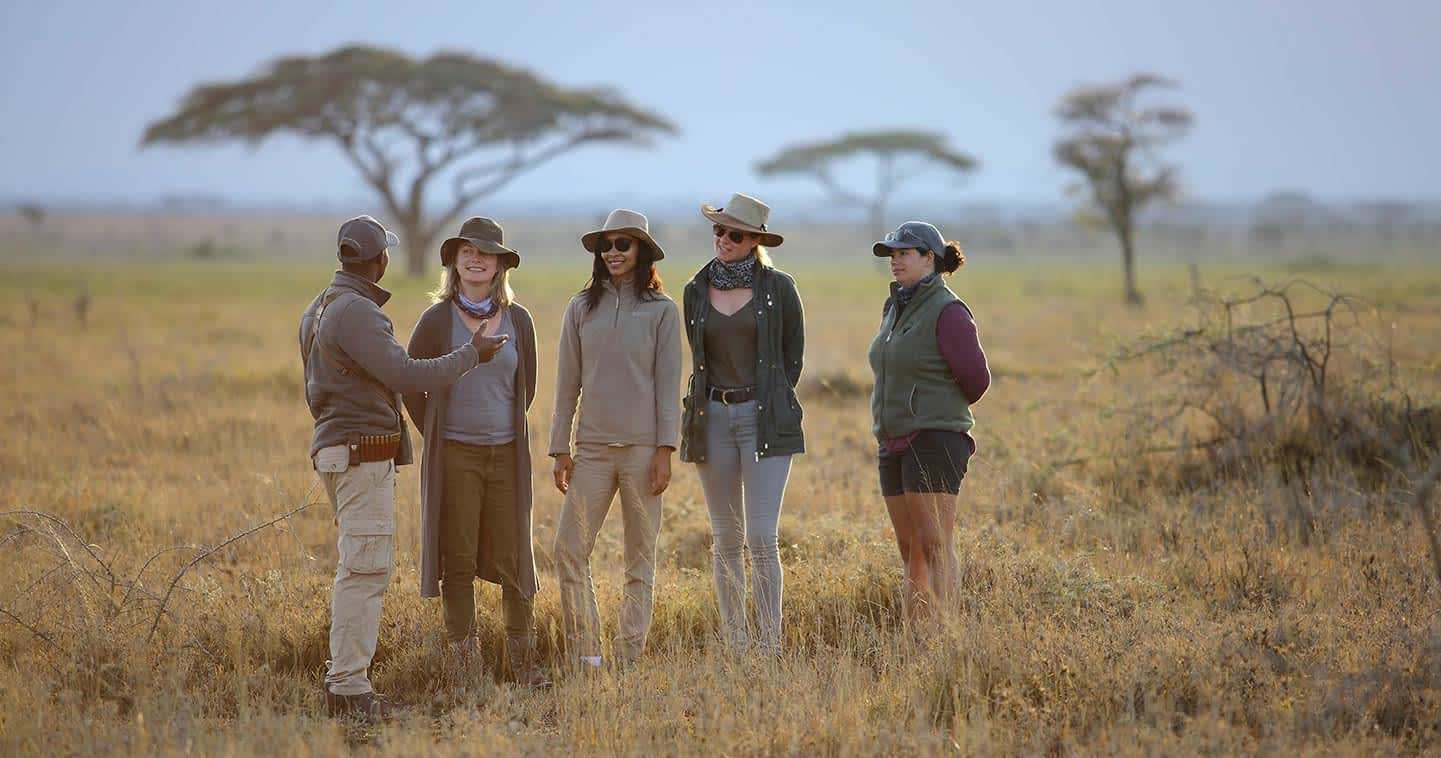
Best Time for Walking Safaris in Tanzania
The dry season, particularly from June to October, is generally the best period for walking safaris in many parts of Tanzania. During these months, rainfall decreases, some walking routes become firmer and shorter grass can improve visibility in selected habitats. Wildlife also tends to concentrate around reliable water sources, creating opportunities to observe animal movements and feeding patterns. Early mornings are especially pleasant because temperatures remain cooler before the heat of the day develops.
The green season can also provide beautiful walking experiences, although conditions vary between destinations. The landscape becomes greener, many bird species become more active and the scenery often looks particularly attractive for photography. However, rainfall can make some trails muddy, vegetation may become thicker and certain camps may close during the wettest months. The best travel period therefore depends on the destination, walking route and type of experience you prefer. Always confirm seasonal access and activity availability with your safari operator before finalising your itinerary.
What to Wear and Pack for a Walking Safari
Choosing suitable clothing and footwear makes a significant difference to your comfort during a walking safari. Wear comfortable, closed walking shoes or lightweight hiking boots that provide good grip on uneven ground. Long trousers and long-sleeved shirts help protect your skin from insects, thorny vegetation and direct sunlight. Neutral colours such as khaki, olive, brown and green generally work well in the bush, while a wide-brimmed hat and sunglasses provide additional protection from the sun.
Carry only the essentials because a walking safari is more enjoyable when you travel light. A small backpack can hold your drinking water, sunscreen, insect repellent, camera, binoculars and any personal items you may need. For longer walks, your guide or camp will advise whether you should bring additional water, snacks or a packed lunch. A lightweight rain jacket can also be useful during periods of changeable weather. Before departure, ask your safari operator about the expected walking distance, terrain and any special equipment requirements.
Who Can Participate in a Walking Safari?
Walking safaris suit travellers who enjoy nature, outdoor activities and exploring wildlife habitats at a slower pace. You do not need to be an experienced hiker for most short guided bush walks, but you should feel comfortable walking on uneven ground for the expected duration. The experience may involve sandy tracks, grassland, woodland paths and occasional slopes, depending on the destination. Visitors should communicate any mobility concerns or physical limitations before booking so the operator can recommend an appropriate activity.
Age restrictions vary according to park regulations, the activity and individual camp policies. TANAPA’s published walking safari information includes provisions for children aged 12 and above, but camps and specialist walking operators may apply different minimum ages, particularly for longer or more remote experiences. Families travelling with children should confirm the applicable requirements before including a walk in their itinerary. The guide and ranger also retain the authority to assess whether conditions are suitable for the participants on the day.
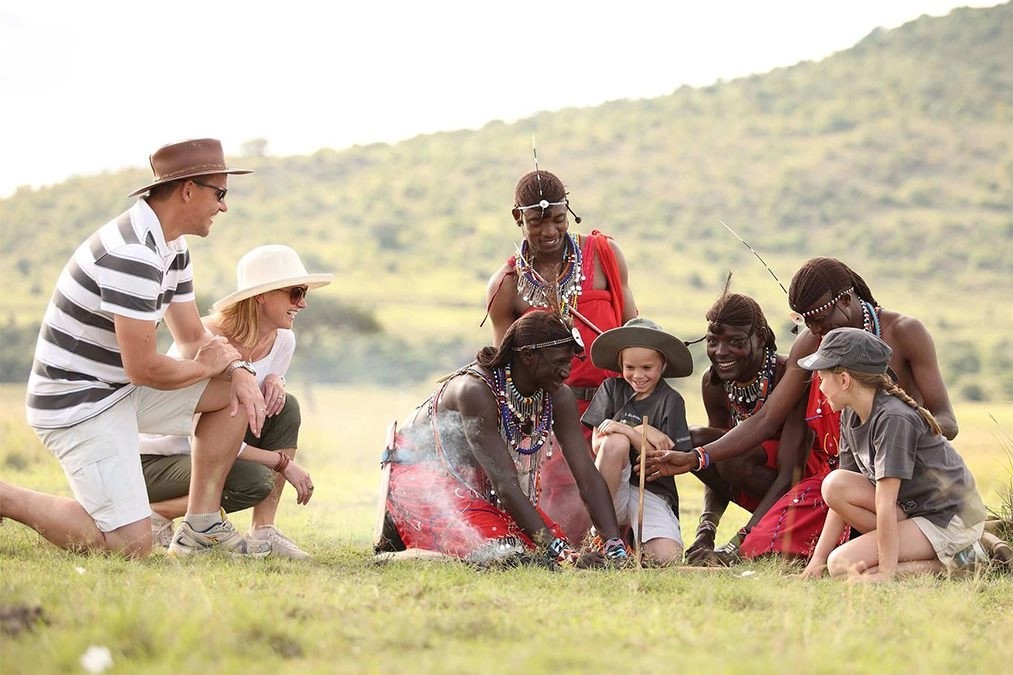
Walking Safaris Compared with Traditional Game Drives
Traditional game drives remain one of the best ways to explore Tanzania’s national parks, particularly when visitors want to cover large distances and search for iconic wildlife. A safari vehicle allows you to explore different habitats, reach remote viewing areas and observe animals such as lions, elephants, leopards and cheetahs from a safe distance; Game drives are therefore essential for travellers who want a comprehensive wildlife experience, especially in destinations such as the Serengeti, Ngorongoro and Tarangire.
Walking safaris offer a more intimate way to understand the wilderness. Rather than covering long distances in search of large mammals, you spend more time observing tracks, plants, insects, birds and the smaller details of the ecosystem. Neither experience needs to replace the other. Combining guided bush walks with traditional game drives gives you a more balanced safari, allowing you to enjoy both the excitement of wildlife viewing and the educational value of exploring nature on foot.
Combining Walking Safaris with Other Tanzania Safari Experiences
A walking safari can fit naturally into a wider Tanzania safari itinerary. In the northern circuit, visitors can combine guided walks in Arusha National Park or Tarangire with game drives in the Serengeti and Ngorongoro Crater. This combination provides a variety of landscapes and wildlife encounters while introducing a different way to explore the bush. Travellers can also add cultural experiences in the Ngorongoro Highlands, where guided walks offer opportunities to appreciate the scenery and learn about local communities.
The southern circuit provides another excellent option, particularly for travellers who want a quieter and more wilderness-focused adventure. You can combine walking safaris in Nyerere or Ruaha with traditional game drives and, in Nyerere, boat excursions along the Rufiji River. Depending on your travel schedule, you may also include a beach extension in Zanzibar. Arcadia Safaris can help arrange a tailor-made Tanzania safari that combines walking experiences with wildlife viewing, cultural activities, scenic excursions and comfortable accommodation.
Frequently Asked Questions About Walking Safaris in Tanzania
1. Where can I go for a walking safari in Tanzania?
Some of the main destinations include Nyerere National Park, Ruaha National Park, Tarangire National Park, Arusha National Park and designated areas of the Serengeti. The Ngorongoro Conservation Area Highlands also offer guided walks around selected craters and scenic routes. Availability depends on park regulations, authorised routes and the camps or operators providing the activity.
2. How long does a walking safari last?
A short guided bush walk may last between one and four hours, depending on the destination and arrangement. Some operators offer longer walks exceeding four hours, while specialist camps organise multi-day walking safaris with overnight stays in temporary bush camps. Your operator can recommend an experience based on your interests, fitness and available time.
3. Can I see lions and elephants during a walking safari?
You may encounter elephants, buffaloes, giraffes and other large mammals during a guided walk, depending on the location and wildlife movements. However, walking safaris do not aim to approach dangerous animals closely, and sightings are never guaranteed. Guides and rangers prioritise safety and maintain appropriate distances from wildlife.
4. Do I need a guide for a walking safari in Tanzania?
Yes. Walking safaris inside Tanzania’s national parks operate under park regulations and require authorised guiding arrangements. TANAPA guidance specifies designated trails and an armed ranger for walking safaris. The applicable arrangements may differ in conservation areas, private concessions and community-managed land.
5. What is the best time for a walking safari in Tanzania?
June to October is generally a favourable period for walking safaris because many areas experience drier conditions and shorter vegetation. However, some destinations also offer rewarding walks during the green season, particularly for visitors interested in scenery and birdlife. The best months depend on the park and the type of walking experience you want.
6. Is a walking safari suitable for beginners?
Yes. Many short guided bush walks suit visitors without previous hiking experience, provided they can walk comfortably on uneven terrain. Longer wilderness walks and multi-day fly-camping adventures require greater physical preparation. Choose an experience that matches your fitness and discuss any concerns with your operator beforehand.
7. Can children participate in walking safaris?
Some walking safaris accept children from the age of 12, while individual camps and longer walking programmes may set higher minimum ages. Always check the current park requirements and accommodation policies before booking. The guide and ranger must also consider the safety and suitability of the activity for the entire group.
8. Can I combine a walking safari with a Serengeti and Ngorongoro safari?
Yes. You can include a walking experience in an authorised area of the Serengeti or the Ngorongoro Highlands alongside traditional game drives in the Serengeti and Ngorongoro Crater. However, walking is not permitted on the Ngorongoro Crater floor, and not every Serengeti lodge offers walking activities. Advance arrangements are essential.
Experience Tanzania on Foot with Arcadia Safaris
A walking safari adds a special dimension to a Tanzania wildlife adventure. It allows you to slow down, appreciate the details of nature and understand the wilderness beyond the animals you see during conventional game drives; From the riverine landscapes of Nyerere to the baobab woodlands of Ruaha and the scenic highlands of Ngorongoro, Tanzania offers rewarding opportunities for travellers who want to explore the African bush on foot.
At Arcadia Safaris, we organise private, tailor-made Tanzania safari experiences designed around your interests, travel dates, preferred destinations and accommodation budget; We can incorporate guided walking safaris into a wider wildlife itinerary, combining them with game drives, cultural encounters, scenic excursions and other activities. Our team helps you select suitable destinations, coordinate authorised walking arrangements and enjoy a well-organised safari with experienced professional guides.
Whether you are planning a short Tanzania wildlife safari or a longer East African adventure, we would be delighted to help you create an unforgettable journey. Contact Arcadia Safaris through info@arcadiasafaris.com or via WhatsApp today to start planning your Tanzania walking safari.